How PTs use SENSE to Provide and Bill for CPT 97750: Physical Performance Test or Measurement
(This article is for educational purposes only. Healthcare providers should follow payor policies and regulatory requirements. CPT® codes are maintained by the American Medical Association.)
Using SENSE with CPT 97750: Physical Performance Test or Measurement
The CPT® code 97750 is valuable when formal physical performance tests are required, but many physical therapists aren’t clear on the testing and reporting requirements. This uncertainty can lead to payment denials or avoidance of the code altogether, which could harm the clinic’s bottom line.
The REEV SENSE gait analysis system supports the use and reimbursement of 97750 by providing fast, standardized gait metrics with comparative values, plus a detailed report for PTs to interpret and use to shape the plan of care (POC). Multiple gait tests can be completed and documented quickly to provide a comprehensive, formal test of performance. This helps PTs meet the requirements of CPT 97750 in a compliant, defensible way.
An Overview of CPT Code 97750 for Physical Therapists
The CPT code 97750 is for a “Physical performance test or measurement”. It must include a written report summarizing the findings and is billed in 15-minute increments. For Medicare and payors that follow Medicare billing, the 8-minute rule applies. This means when PTs provide 8-22 minutes of 1:1 service, they should bill one 15-minute unit. Therapists should document the exact duration of the testing procedure to ensure appropriate billing and reimbursement.
When to Use CPT 97750
Formal physical performance testing or measurements under 97750 are reimbursable when the medical record supports that a patient’s clinical status or condition requires testing beyond the standard evaluation or reassessments. In general, 97750 should not be billed on the same day as an initial evaluation.
PTs can use 97750 when a patient requires specific, detailed testing and measurements of functional abilities to assess progress (beyond routine, continuous assessment of expected progress, such as a reassessment), determine the need for continued rehabilitation services, or document safety and capacity for daily or work-related activities. Isolated tests, such as manual muscle testing or range of motion testing, aren’t billable under 97750 unless they’re part of a broader, structured performance evaluation.
The 97750 code requires:
- Direct, 1:1 contact with the physical therapist
- A standardized performance test with comparative values.
- Provider interpretation of results.
- Support of how the findings were incorporated into the therapy plan of care, when applicable.
- Recorded duration and date of service that is not on the same day as an initial evaluation or re-evaluation.
Insurers expect clear, objective data, interpretation, and a narrative that ties the testing to functional deficits and the POC. Think about how additional, specific details and measurements will shape the POC and treatment strategies, then document this perspective.
Clinic Workflows for Gait Analysis and CPT 97750
Many clinics struggle with consistent, audit-ready documentation for comprehensive performance testing. The issue isn’t typically clinical skill – it’s the workflow. PTs are pressed for time, juggling multiple patients and often rushing to conduct tests and write the required report within the 15-minute timeframe.
PTs may lose time deciding which standardized tests to complete, gathering equipment, remembering the specifics of each test, and finding norms to compare with their patients’ results. Each PT organizes and documents the results differently, so billing staff spend additional time checking for compliance. Documentation may not be audit-ready due to missing elements or a lack of objective detail.
SENSE is a centralized gait analysis platform that makes it faster and easier for both PTs and the billing department. PTs can bill for 97750 without using SENSE, but SENSE streamlines the testing and documentation aspects so the PT can focus on the patient and the POC.
Using the SENSE Gait Analysis System and Billing 97750
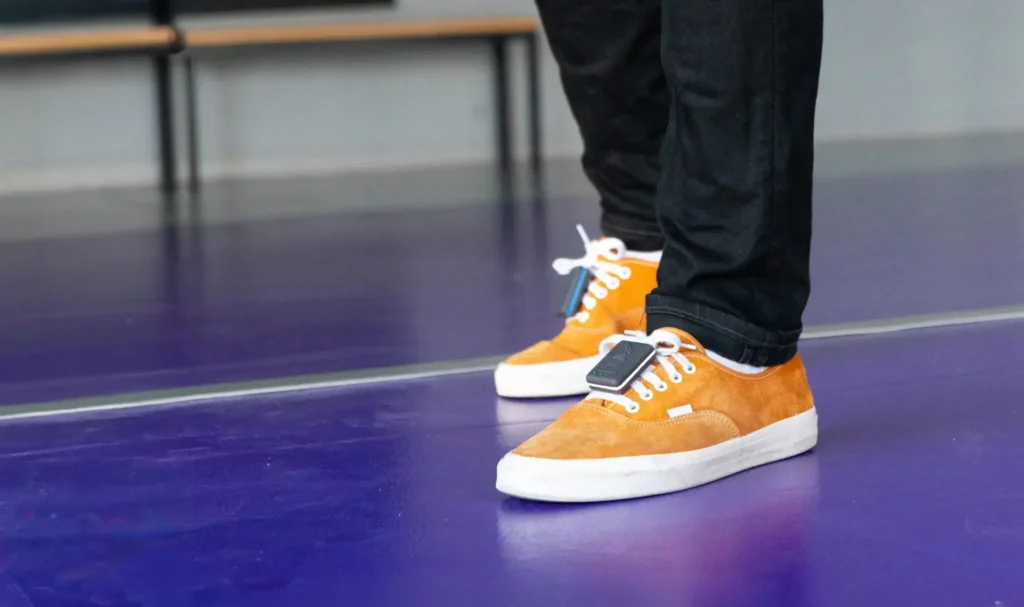
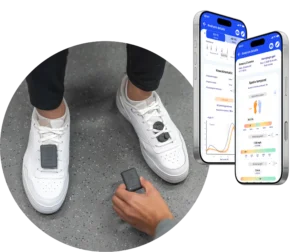
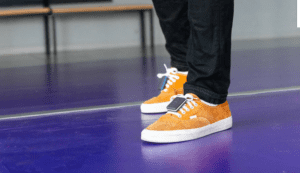
The SENSE platform includes structured gait and performance tests and comparative values right within the app. In under two minutes, PTs can apply the sensors and measure gait metrics, including speed, cadence, stride length, symmetry, and stance/swing time. The PT and patient can then immediately see the results on the SENSE app. Based on the patients’ presentation and needs, PTs can also use SENSE to capture kinematic data such as ankle or knee ROM during gait.
Keep in mind, 97750 requires “comprehensive” physical performance testing, so PTs may need to complete additional standardized mobility tests such as the Timed Up and Go (TUG), 5x Sit to Stand Test, 6-Minute Walk Test and/or the 10-Meter Walk Test, depending on the patient’s presentation and deficits.
The SENSE app now includes these commonly used, standardized mobility tests, eliminating the need for PTs to look up the protocols or normative data separately.
To simplify conducting these standardized tests, the app also includes:
- A built-in timer
- Testing instructions to help maintain standardization
- Normative data to compare patient results to
- Space for the PT to document observations and variances, such as the use of a mobility device.
- Instantly generated reports with organized patient gait metrics.
The PT can copy and paste gait metrics and standardized test results/observations from the app into any EMR to include with their analysis and narrative documentation. The data and graphs also help PTs explain deficits and the POC to patients.
Simplifying the process for gathering and documenting gait data creates more time and mental space for PTs to interpret data and make clinical decisions. It also creates cleaner, more consistent documentation that streamlines billing and sets clinics up for success during audits and appeals.
PT Clinic Scenario: Physical Performance Test or Measurement for Gait
A patient is referred to your clinic 6 months post-CVA due to difficulty walking and recent falls. During the initial evaluation, the PT establishes the PLOF and tests the patient’s vitals, strength, ROM, motor control, sensation, fall-risk, and gait. Goals are set, and a POC is established.
During the visual gait assessment, the PT notes foot drop, reduced gait speed, asymmetrical step length, and reduced weight acceptance on the affected side. The PT determines that the patient’s gait deficits are complex, and a more comprehensive, objective assessment would best inform the POC and interventions.
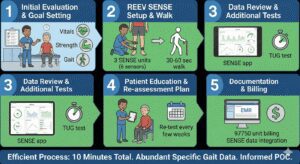
During the next session, the PT decides to use three SENSE units (6 total sensors) to measure spatio-temporal metrics, knee kinematics, and ankle kinematics at once. The PT spends 3 minutes explaining the test and placing the sensors on the patient. (The PT aide should enter the patient information into the SENSE app before the appointment.)
The patient then completes a 30-60 second walk with CGA and returns to their seat. As the patient rests, the PT checks the results to make sure all the data was captured, and it aligns with what was observed. The PT then completes other gait tests, such as the TUG, and records observations within the SENSE app.
The PT shows the patient the data and graphs from the SENSE app, explaining what it means and how this data will inform and guide the therapy plan more specifically. The PT also explains that they will re-test every few weeks to monitor progress, ensure the interventions are effective, and adjust as needed. The entire process is completed in 10 minutes, and the PT has an abundance of very specific gait data to guide the POC.
While the patient rests, the PT copies and pastes all of the metrics and results from the SENSE app into the EMR and includes a written interpretation of the data and explanation of how this deeper analysis impacts the POC and can improve functional outcomes.
In a scenario like this, the PT can bill for one 97750 unit while gathering specific, useful gait metrics, documenting, and dialing in the treatment plan. SENSE makes the whole process efficient and simple.
Here’s what Jeff Hiserman, a PT with extensive experience treating neurological and musculoskeletal dysfunctions, has to say about using SENSE:
“This is a time-efficient and ethical way to bill for the code 97750. SENSE provides a way to complete the physical performance test and capture the necessary data to include in the written report. When we have scientific evidence to back up our documentation, it becomes difficult for them to deny our claims. Technology like this is the way of the future.”
Conclusion: PTs can use CPT 97750 for Gait Analysis – SENSE Makes it Simple
When used correctly, 97750 is a valuable, timed CPT code and tool for physical therapists as it allows them to bill for a more detailed assessment of a patient’s physical capabilities and performance beyond the initial evaluation. Proper use of this code allows PTs to gather specific data to support their treatment planning while ensuring the practice is reimbursed appropriately for the skilled services provided. For more about maximizing revenue with CPT code 97750, click here.
PTs want to help patients, not become billing and coding experts. We’ve designed SENSE to fit seamlessly into PT workflows, and we continue to welcome PT feedback and insights. The software makes capturing specific, objective gait data simple, allowing PTs to interpret and use data to guide the POC, then ethically bill for their skilled services.
Try REEV SENSE in your clinic free for 30 days.
CPT is a registered trademark of the American Medical Association. We do our best to keep information up-to-date on the website. Billing and coding requirements can change, so we recommend always checking with CMS and payors for the most up-to-date information. Information found here is for educational purposes only and not medical or legal advice.
Resources:
Billing and Coding: Therapy Evaluation, Re-Evaluation, and Formal Testing, Centers for Medicare & Medicaid Services. https://www.cms.gov/medicare-coverage-database/view/article.aspx?articleid=53309
Secret CPT 97750 Technique: Still struggling with denied claims?
Minal Patel, PT. https://www.sprypt.com/cpt-codes/97750