The perspectives in this article come from a spouse who lived through this transition. Her experience illustrates caregiver burden after stroke through both the acute and long-term recovery phases.
“One day, you’re living your life, out and about, and just being who we were. Then the next moment you’re thrown into a whole world that you don’t even understand. And you don’t know how to get out of it.”
This is how one spouse described the shift in her life the day her husband had a stroke.
Every year, more than 795,000 people in the United States have a stroke. That’s nearly one every 40 seconds. Stroke-related costs in the United States exceed $56.2 billion annually, including health care services, medicine, and lost productivity.
But there’s another cost that is far less visible – the burden on caregivers.
Spouses, partners, children, and other family members become medical advocates and caregivers without preparation, training, or time to process their own trauma.
The Days After a Stroke: Caregivers in Survival Mode
In the first 72 hours after her husband’s stroke, there was no space for long-term thinking.
There was only the next decision. The next conversation.
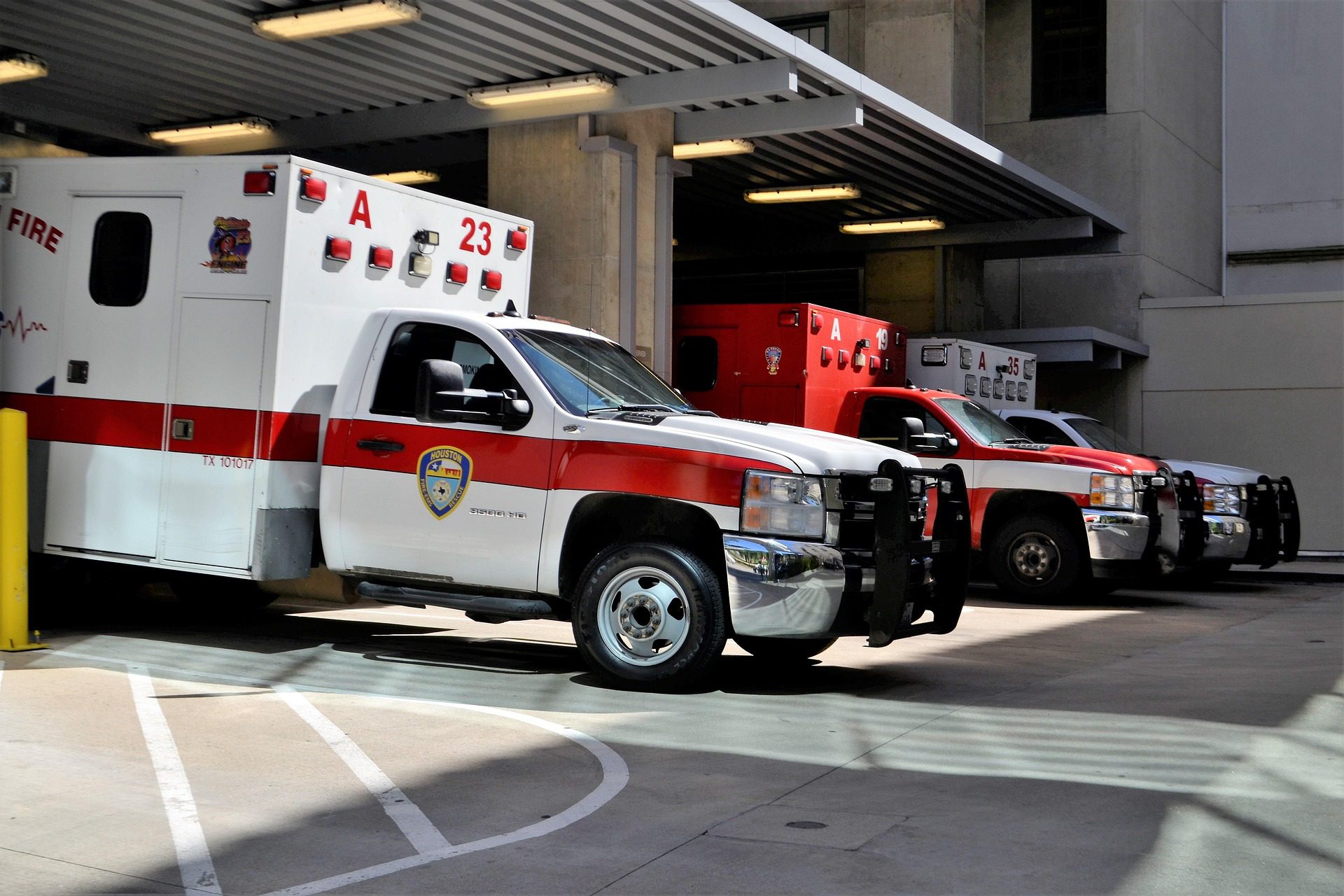
When a stroke occurs, caregivers navigate emergency responders, rapid imaging, medications, hospital transfers, and specialists requesting consent for procedures that they’ve never heard of before.
“The surgeon called me in my car. He said, ‘This is what we’re going to try to do. Do you give permission?’ I didn’t know how to answer it. So I just said, you’re the best in the world at what you do, and you have the most precious thing in the world to us, I expect you to do your job and bring him back. So, no pressure.”
“They wouldn’t give us any prognosis for the first 72 hours. It was a long time to have absolutely no idea what to expect for our future.”
As clinicians are used to working with stroke patients at this stage every day, it can be easy to forget how challenging this time is for families. For caregivers, time feels suspended. They’re flooded with information and, at the same time, left in the dark about what life might look like in the weeks or years ahead.
“We didn’t focus on three years from now. We focused on what needed to be done in five minutes. If he was still breathing, then we took the next step.”
In the days following a stroke, caregivers aren’t planning for recovery, even if they’re hoping for it. They’re simply trying to keep up with what’s happening in the moment. They’re making decisions in real-time without the emotional space or enough support to process what’s happening.
Eventually, as their loved one stabilizes, it seems that the pace would slow, but the pressure on caregivers simply shifts as the rehabilitation phase begins.
The Caregiver’s Role in Inpatient Rehabilitation After Stroke
Most stroke patients transition to inpatient rehabilitation, which includes medical care and multiple hours of therapy each day focused on restoring mobility, speech, cognition, and independence in daily tasks.
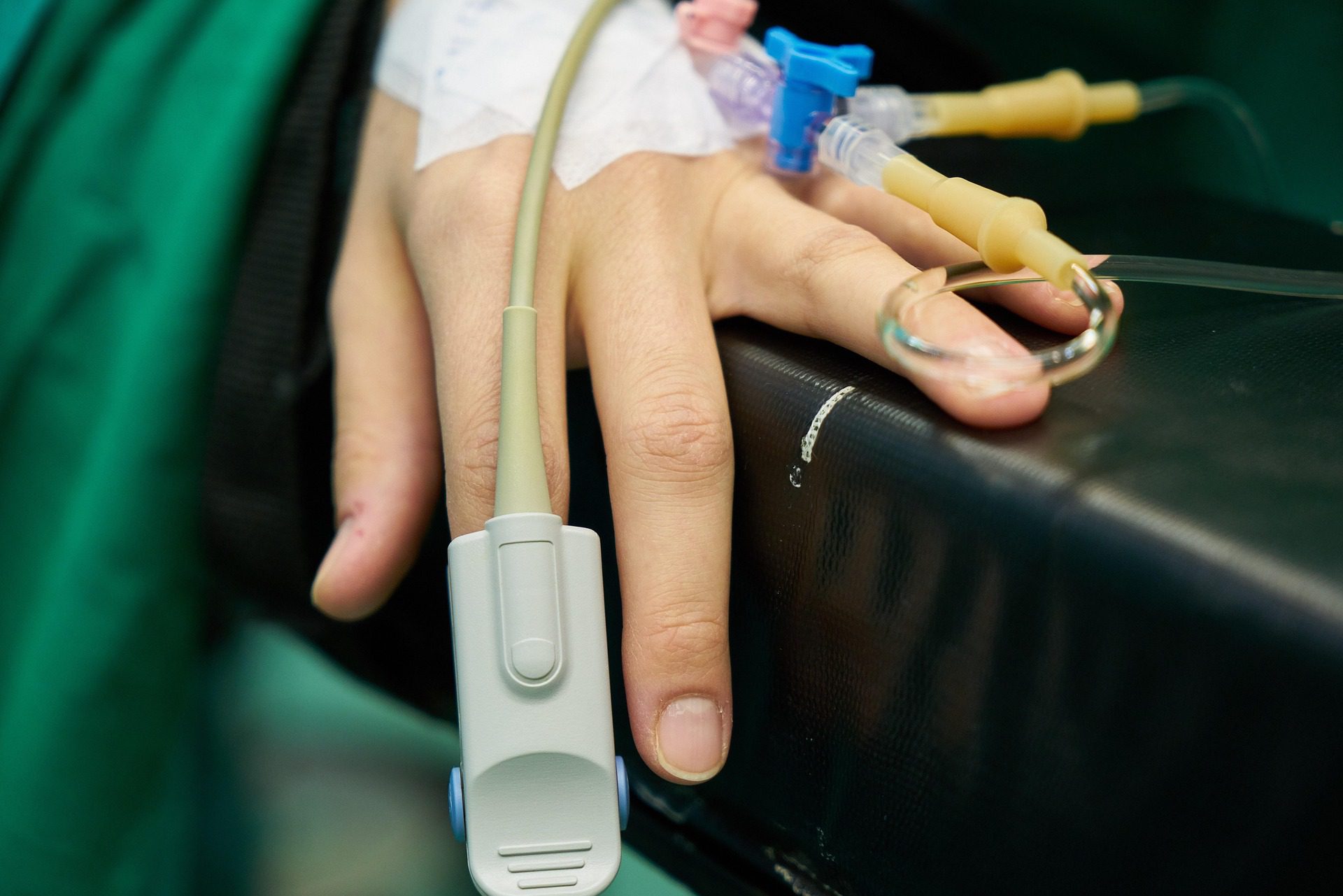
In theory, this would give caregivers a break, but discharge planning must begin immediately. So they attend therapy sessions and meetings, absorbing as much information as possible.
They’re taught how to assist with transfers, reduce fall risk, and prepare their home. There are conversations about equipment, home therapies, caregivers, insurance timelines, and alternatives if home isn’t an option.
“They gave me so much information all at once – told me to read this book or research this topic or line up the home therapies because there were waitlists. It’s like a firehose of information. I think it’s because they knew how soon we would be discharged and how much we still needed to know, but it’s too much at once.”
Nearly every clinician would agree that inpatient rehabilitation is far too short. Just as caregivers begin to see progress, they’re notified of the discharge date. Most people at this stage hope to return home rather than a step-down facility.
When the structured support ends, responsibility shifts quickly and almost entirely to the family.
The Transition Home After Stroke
While stroke patients are in a medical facility, staff are always nearby. There are call lights to use if you need assistance and a crash cart in case of emergency.
At home, the immediate support disappears.
Most stroke survivors are still unsteady, fatigue easily, and need help with daily activities. Caregivers are balancing work, insurance communications, therapy schedules, and caregiving duties, often while running on very little sleep.
“It was terrifying. I was the one who called 911 for the initial stroke and saw everything happen. When he came home, we had caregivers help during the day, but at night, I was totally alone. It was terrifying to be alone with him again.”
From that point forward, safety becomes the central focus. The question: What if something happens? rarely leaves a caregiver’s mind.
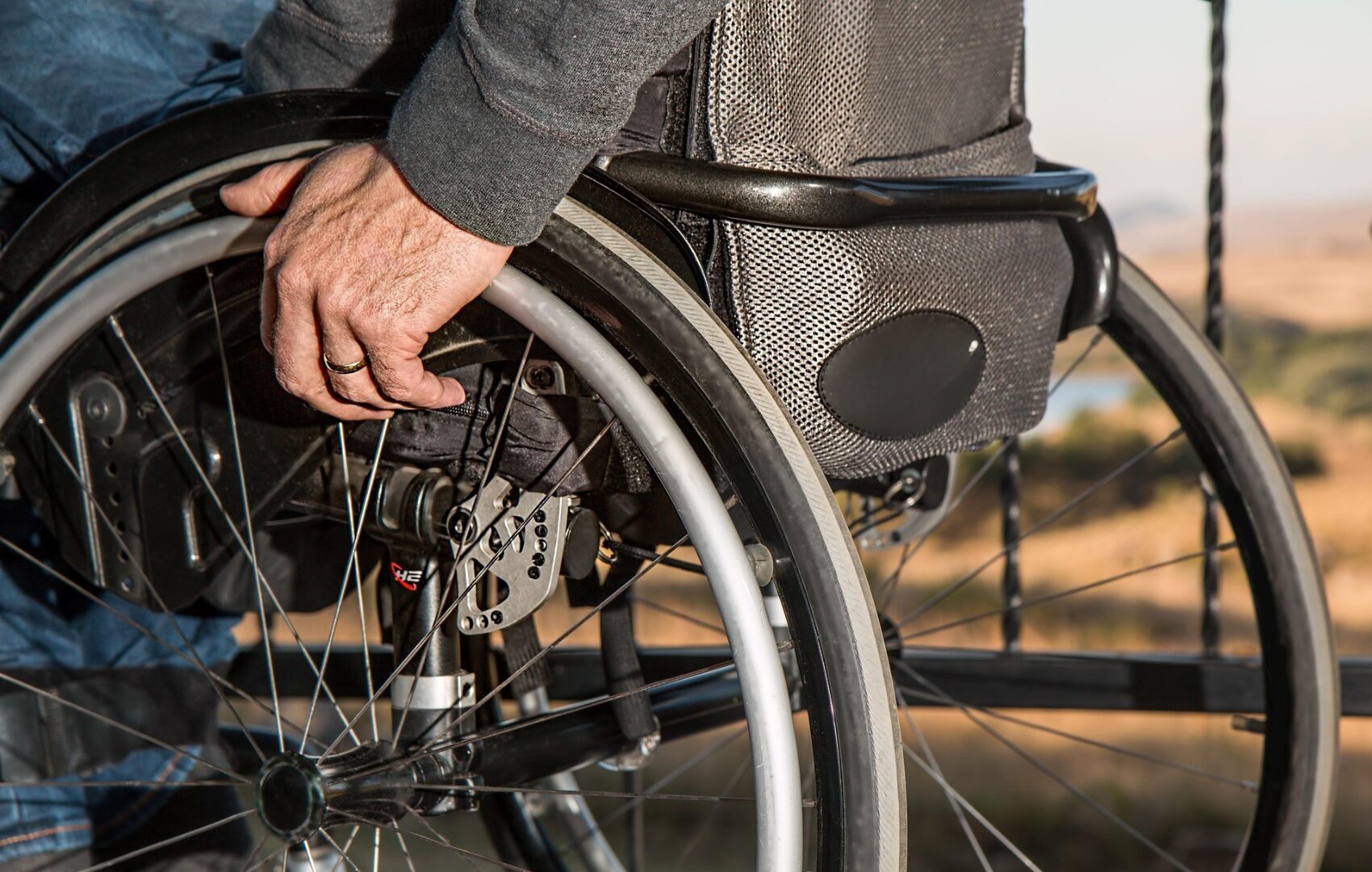
Fall Risk After Stroke and the Mental Load on Caregivers
Well-meaning clinicians often tell caregivers to take time for themselves and to make sure they don’t neglect their own self-care.
Caring for their own health truly is critical for caregivers, but often far more challenging than people realize. It’s not that they wouldn’t love to get away, but they’re afraid to leave.
Here is how a simple self-care outing ended up for one caregiver:
Months after her husband came home after a stroke, and after much encouragement from everyone they knew, she decided to get out of the house for some self-care.
She scheduled a nail appointment close to home. She hadn’t had her nails done in months, and in theory, it would be a nice getaway.
But as she sat in the chair, her mind raced through scenarios.
What if he fell?
What if he dropped his phone and couldn’t reach it?
What if he had another stroke and she wasn’t there to call 911?
She knew how fast things could change and that every second mattered.
By the time the appointment ended, she was panicking. She got in her car and drove home as fast as she could – but was pulled over just a few streets away.
She said it’s the only time in her life that she didn’t care about getting a ticket; she just wanted to get home to her husband.
When she got home, everything was fine, but she didn’t want to leave again. There was nothing relaxing or enjoyable about this self-care experience.
She explained that during this phase of her husband’s recovery, she was living in a constant state of hypervigilance. Her nervous system never fully reset. She began to experience her own health challenges that were likely due to the constant stress.
For clinicians, fall risk is documented through assessments and gathering objective gait metrics. For caregivers, however, fall risk often becomes a constant source of stress and a threat to the life they’ve worked hard to rebuild since a stroke. Fear of falling changes behaviors for both the patient and caregiver. The impact on caregivers is often overlooked.
The fear of falling changes behavior and can lead to functional decline.
When safety becomes the priority, the right kind of mobility support can change the entire dynamic at home.
Mobility Technology After Stroke: What Fits into Real Life
For the couple in this article, living near world-class stroke centers gave them access to clinical trials and emerging technology. They agreed to participate in many opportunities, not only for themselves, but because they wanted to contribute to anything that would help others in the future.
Some interventions helped; others made little to no difference.
She distinctly remembers one study that they declined. The protocols were complex, and the demands felt unrealistic with everything they were already managing on a daily basis.
“It felt like I had to stand on my head and tie my shoes. We want to do anything we can to help other stroke patients, but we have to be able to live our lives too.”
Other equipment and technologies did improve her spouse’s safety and their collective quality of life. They installed cameras so she could check in when she was away. Additionally, he got a device that stimulates the nerves in his lower leg to decrease his foot-drop.
For caregivers who are already stretched thin, mobility technology must do more than assist movement. It has to integrate easily into daily life and reduce everyone’s physical and mental load, not add to it.
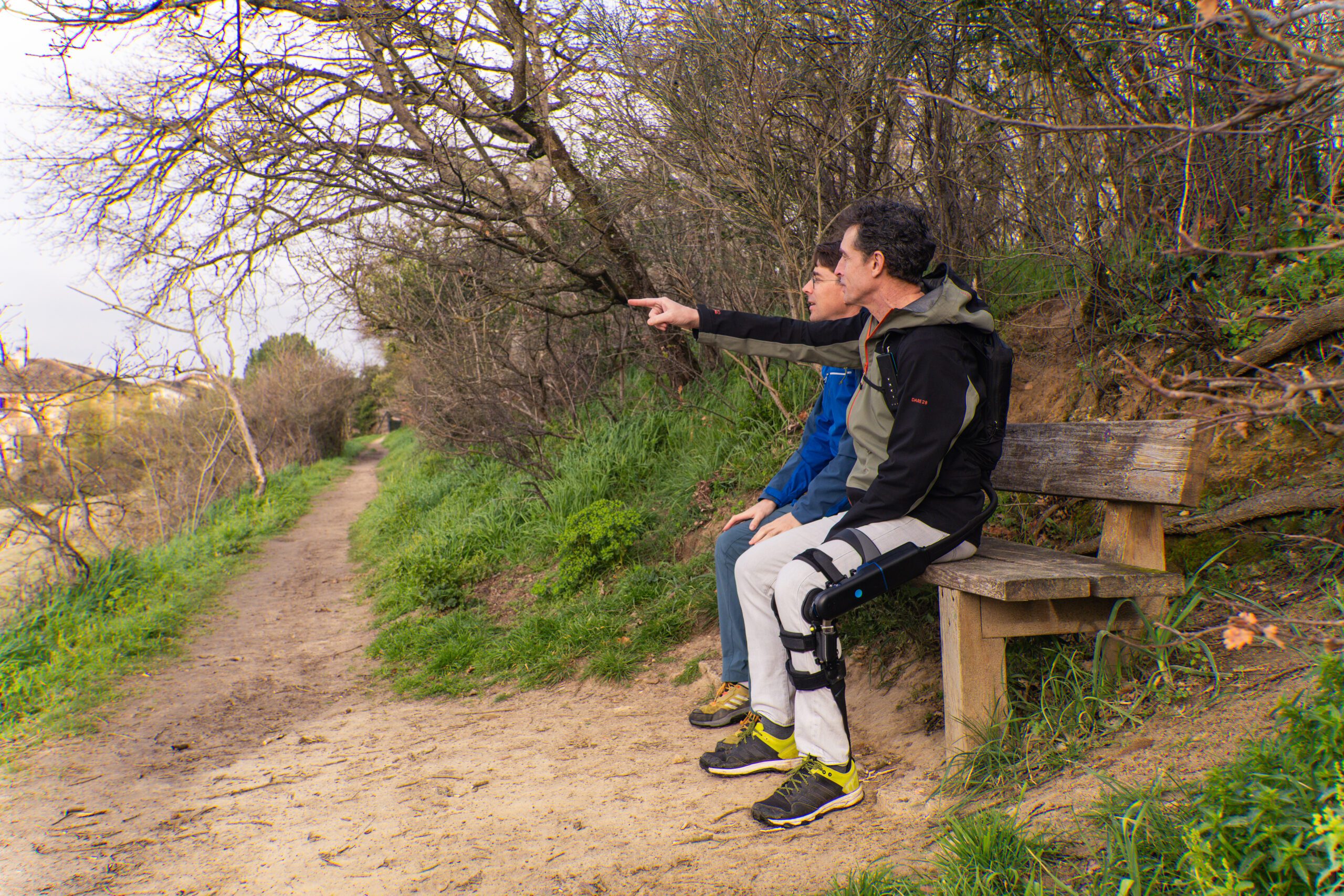
What If Technology Reduced Fall Risk at Home?
When asked what it would’ve been like to have equipment or technology that improved her spouse’s walking and reduced his fall risk, she didn’t hesitate.
“It would’ve been a lifesaver. If I knew he was safe walking, that would’ve been huge. I probably would’ve gotten pulled over.”
Technology doesn’t erase the damage done by a stroke, but it can increase stability and safety, creating a positive cascade of effects.
- If he were safer walking, he could walk more often and gain strength.
- If she were confident in his ability to transfer and walk, she could give him more space.
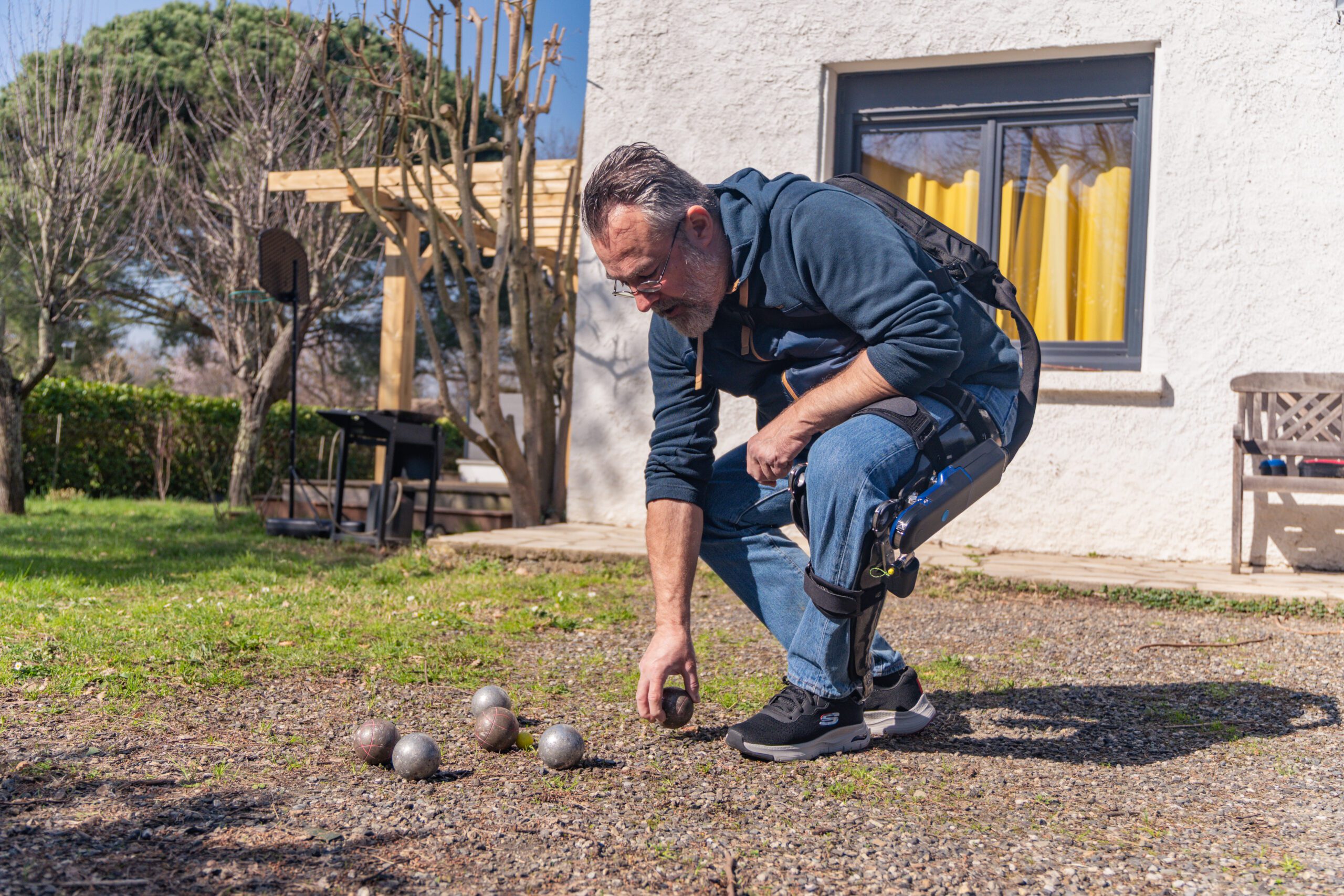
- If he could squat or kneel to pick up a dropped phone, he could call for help if needed.
Even more importantly, if the technology could be used independently, including putting it on, taking it off, changing clothing, and using the bathroom, the burden on the caregiver would be significantly reduced.
For stroke survivors who have plateaued after most of the formal rehabilitation ends, the activity they complete at home becomes critical. They may be ambulatory, but limited by stairs, uneven ground, or fatigue. Caregivers remain on high alert, calculating the risks each day.
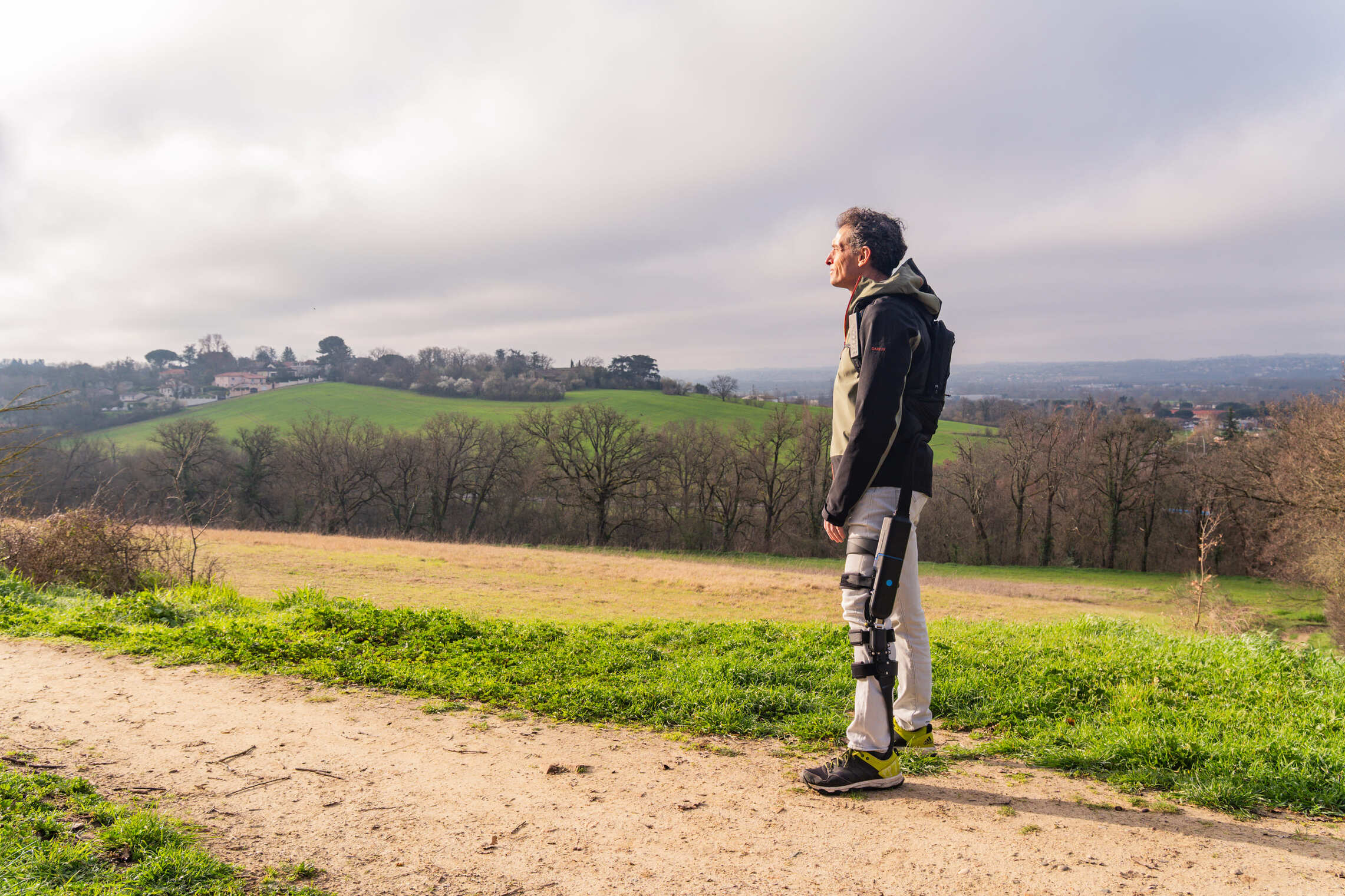
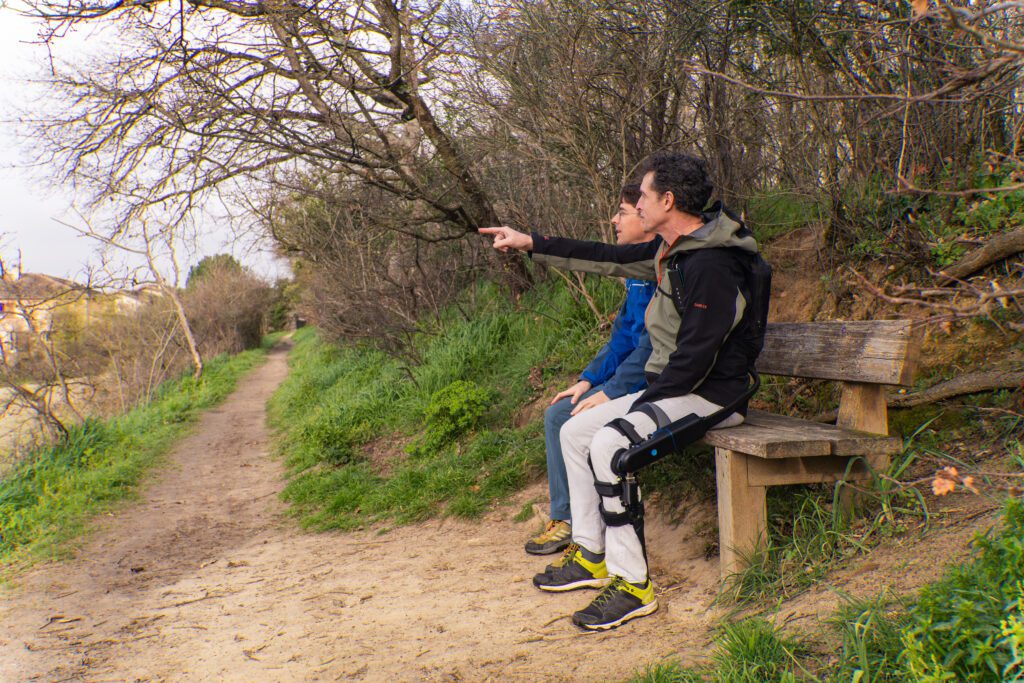
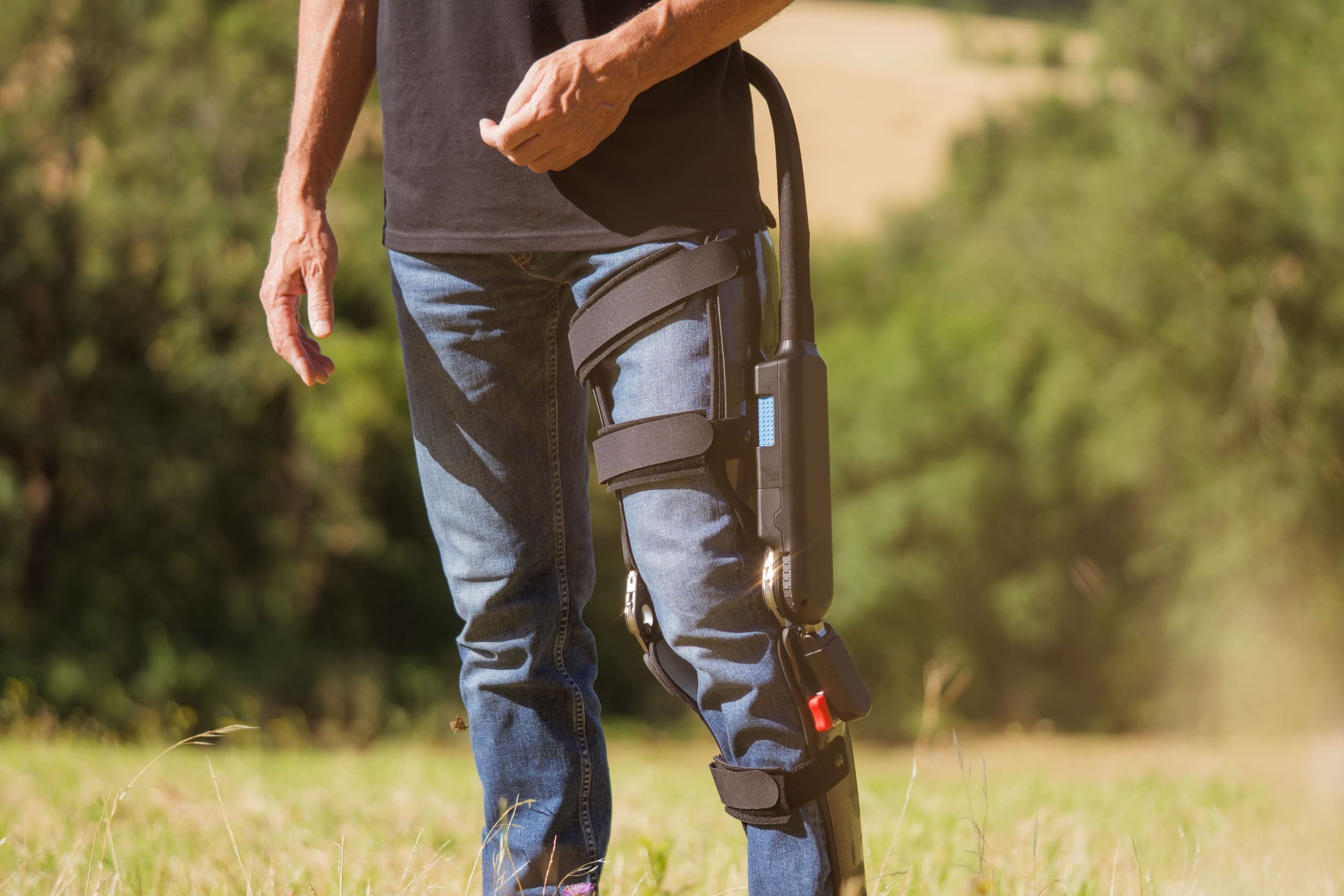
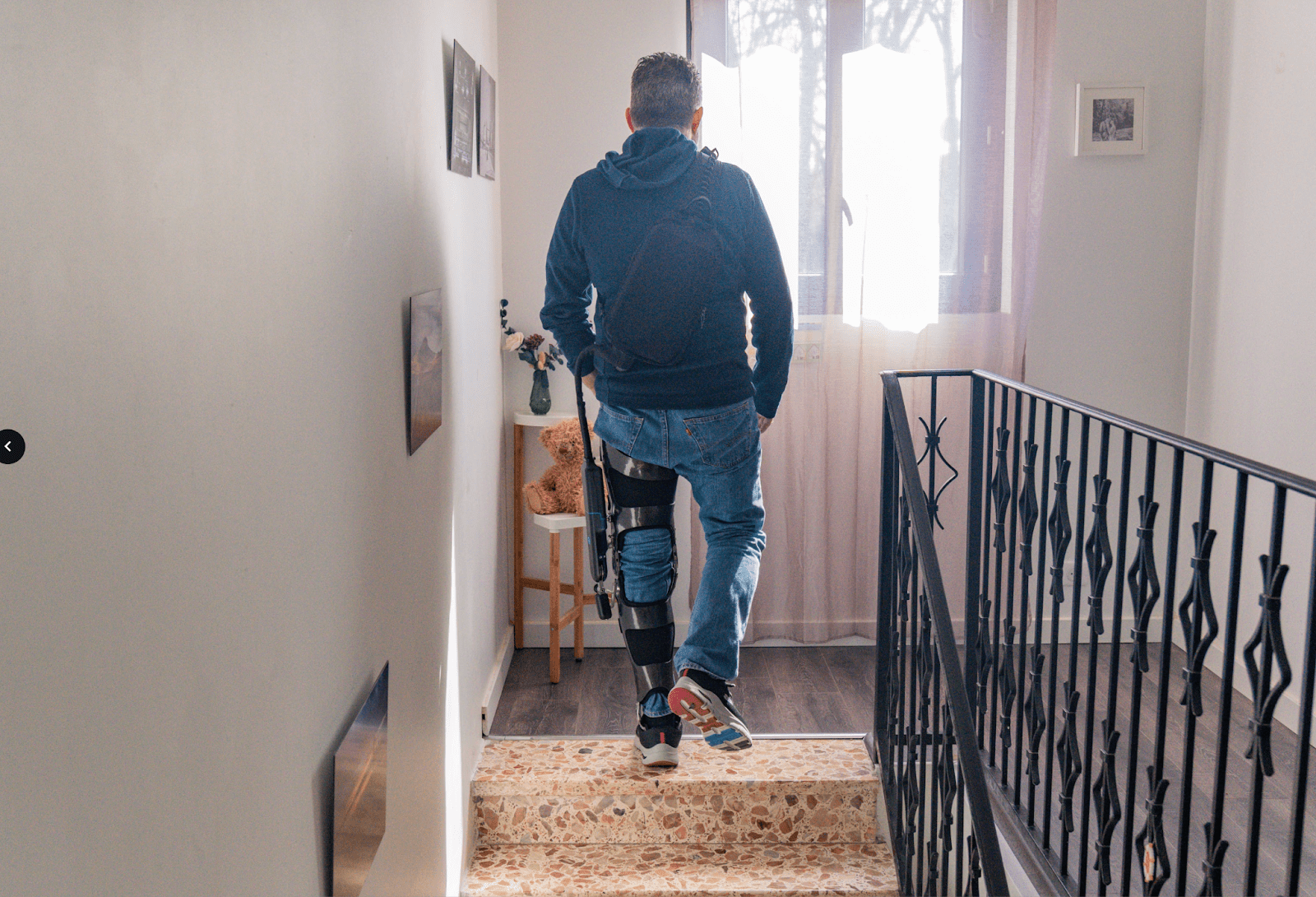
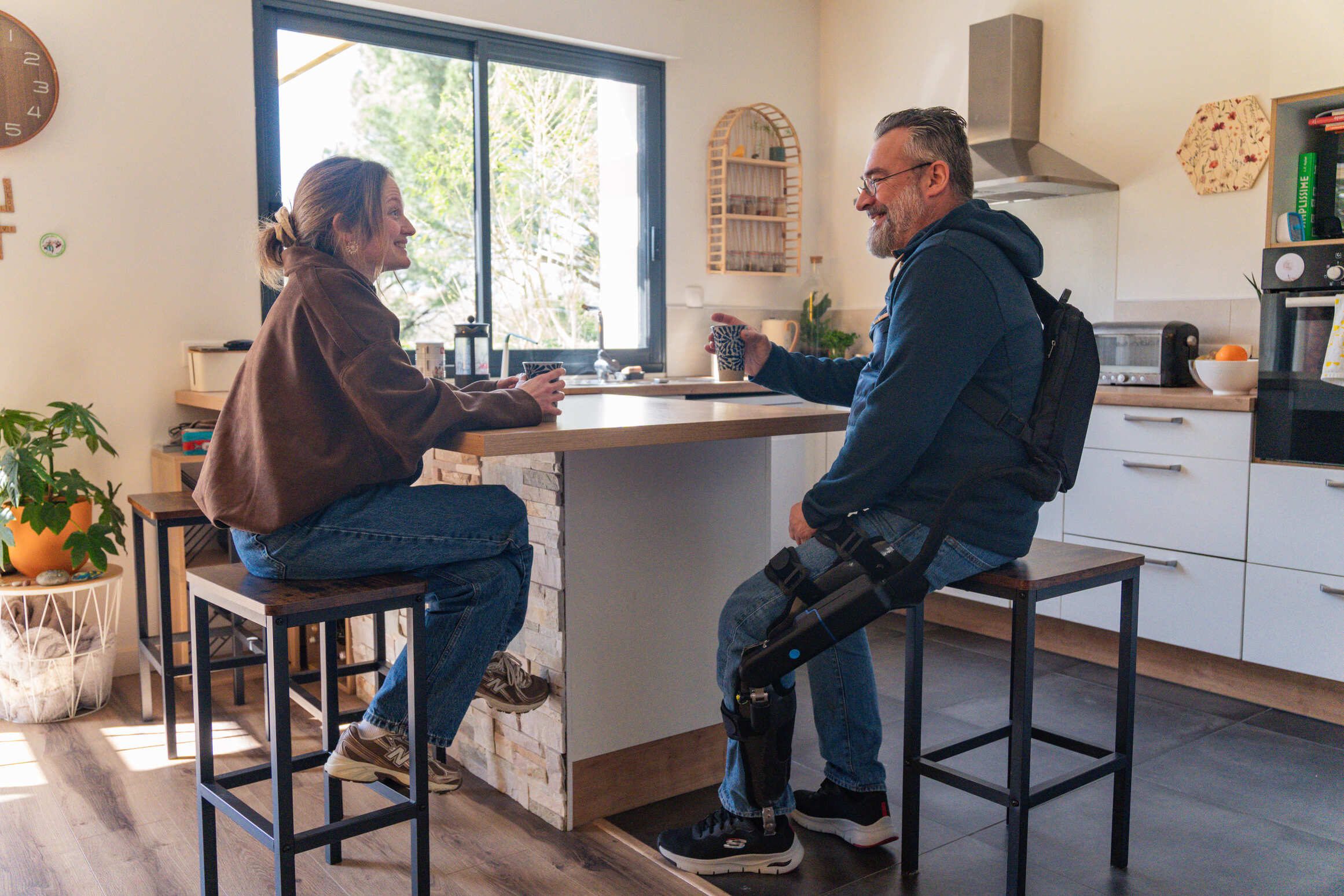
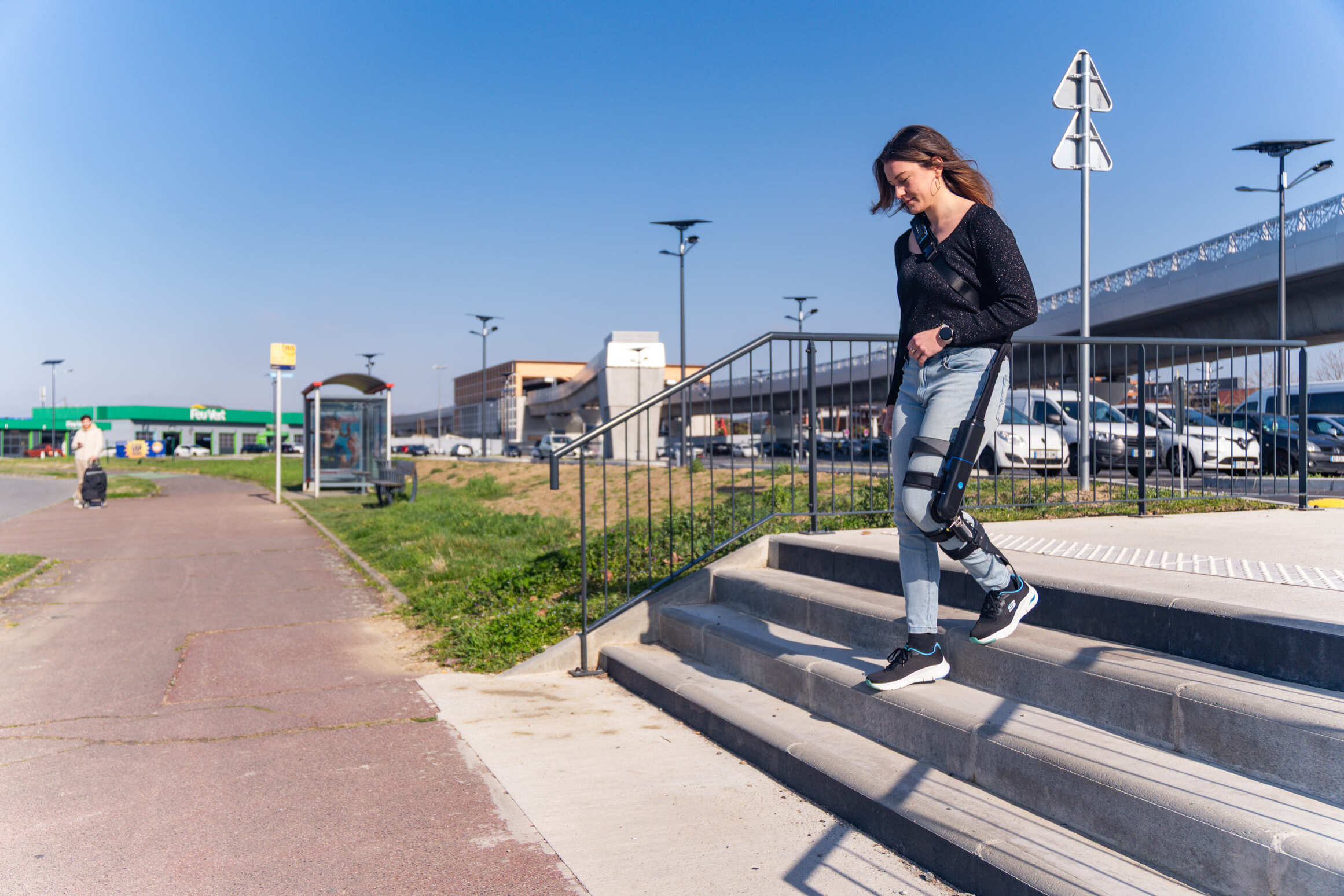
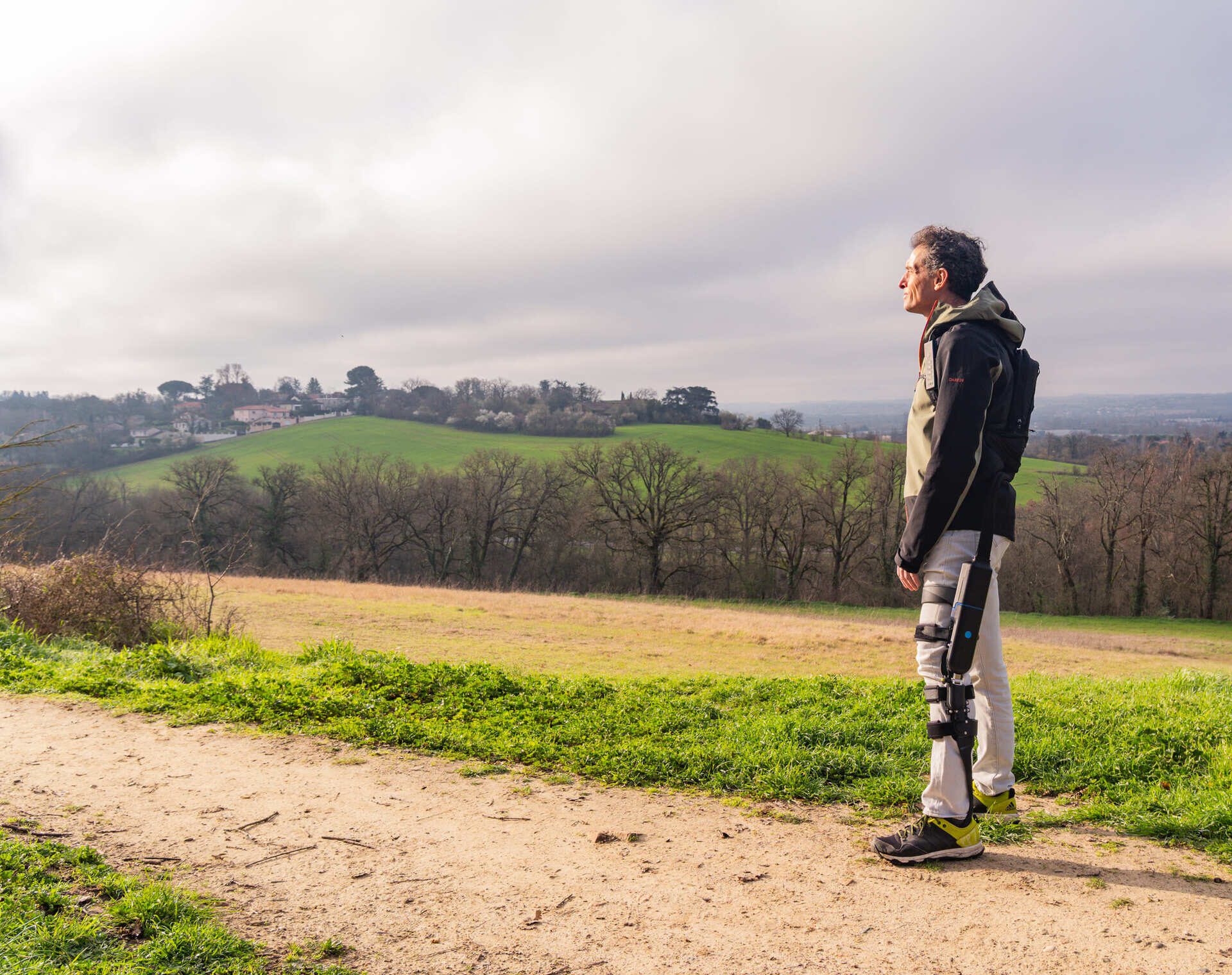
REEV is developing DREEVEN, an intelligent robotic knee brace designed for individuals living with chronic gait impairments after stroke. It’s not a replacement for rehabilitation, nor does it eliminate fall risk. But it is designed to support greater stability and safety during everyday movement. Clinics interested in early access and clinical collaboration should inquire about the Neuro-Integration Program.
DREEVEN has been designed around real-world independence, including one-handed donning and doffing and the ability to use the bathroom without assistance. This is because technology that doesn’t allow a stroke survivor to be more independent won’t reduce the burden on caregivers or provide more autonomy.
Recovery is an Ongoing Process After Stroke
Stroke recovery doesn’t end when formal rehabilitation does. In fact, most stroke survivors and caregivers would say the recovery never ends. The work continues at home, where the needs of the survivor and real life intersect. As clinicians consider fall risk, equipment and technology recommendations, and long-term outcomes, caregiver burden must remain part of the equation. Supporting safer mobility isn’t only about preventing injuries. It’s about preserving dignity and allowing families to rebuild a life that they enjoy living.
To explore partnership opportunities or to learn more about REEV’s approach to post-stroke mobility care, contact our team.