Are you addressing the fear of falling with your stroke patients?
Although strength, balance, and gait impairments are routinely addressed by PTs after stroke, the fear of falling remains a key driver of participation and functional outcomes. In fact, fear of falling can limit recovery and daily performance just as much as more commonly addressed impairments related to stroke.
To illustrate, consider the following clinical scenario that captures the impact of perceived fall risk after stroke.
Clinical Scenario: When Fear Shrinks Daily Life
Mr. Smith, a 75-year-old man, experienced a stroke six months ago that affected his right side, particularly his leg. After completing inpatient rehabilitation, he was able to safely walk over 100 feet with a cane and an AFO. He returned home to live with his wife, Mrs. Smith, in a single-level home. Mrs. Smith is in good health, but is significantly smaller in stature than her husband. Their size difference limits the amount of physical assistance she can safely provide.
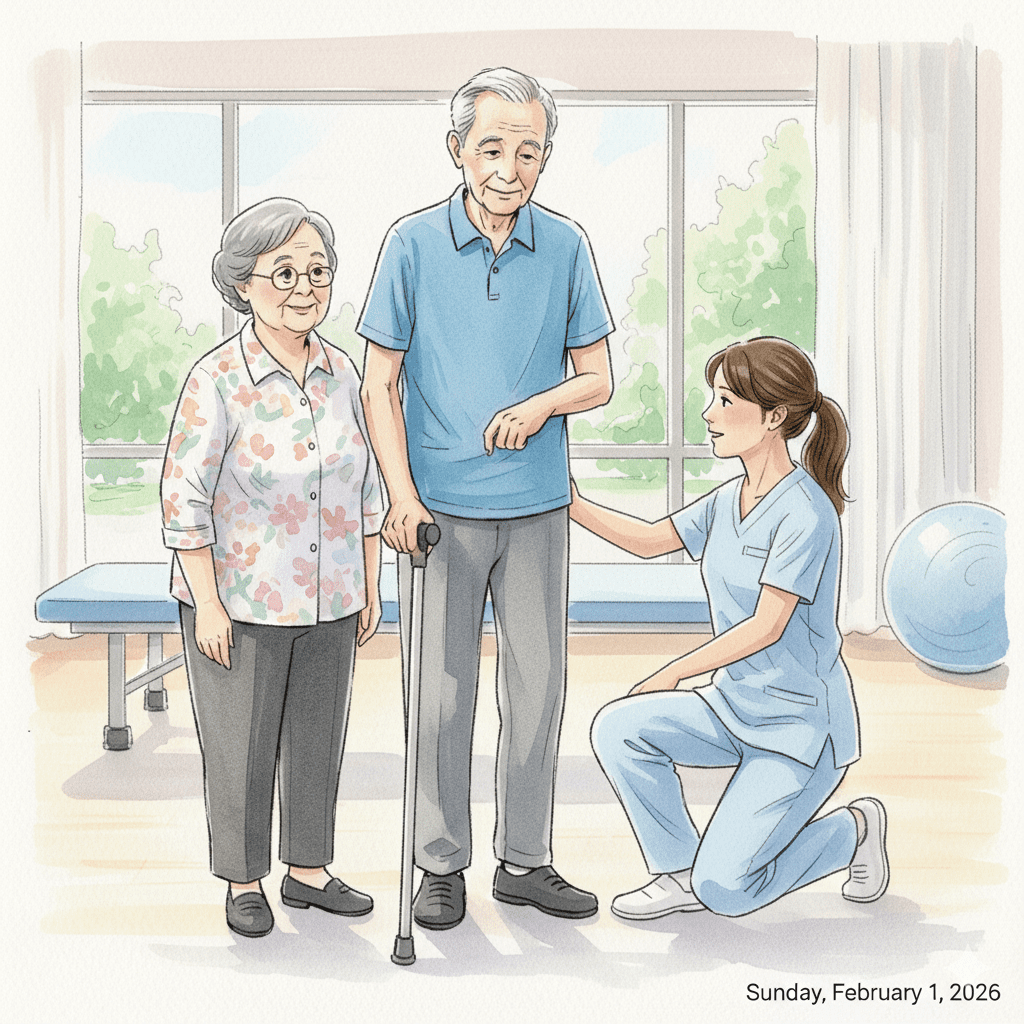
During Mr. Smith’s first week at home, his leg gave out, and he fell while walking to the bathroom. Although he was not injured, his fear of falling increased significantly from this incident. He began spending more of his day seated in a recliner. Out of concern for his safety, Mrs. Smith started bringing meals to him and assisting with daily activities at his chair. They reasoned that he was safer in his chair, especially since Mrs. Smith couldn’t catch him if he fell again.
Three months after the fall, Mr. Smith’s reduced activity led to increased difficulty with sit-to-stand transfers, making dressing and toileting more challenging than when he initially returned home. He began using a commode and wearing sweatpants rather than his regular clothing. Caregiver burden increased, and both Mr. and Mrs. Smith expressed sadness as their world became increasingly limited. They wanted him to get stronger, but they were hesitant to increase his activity due to ongoing concerns about falls.
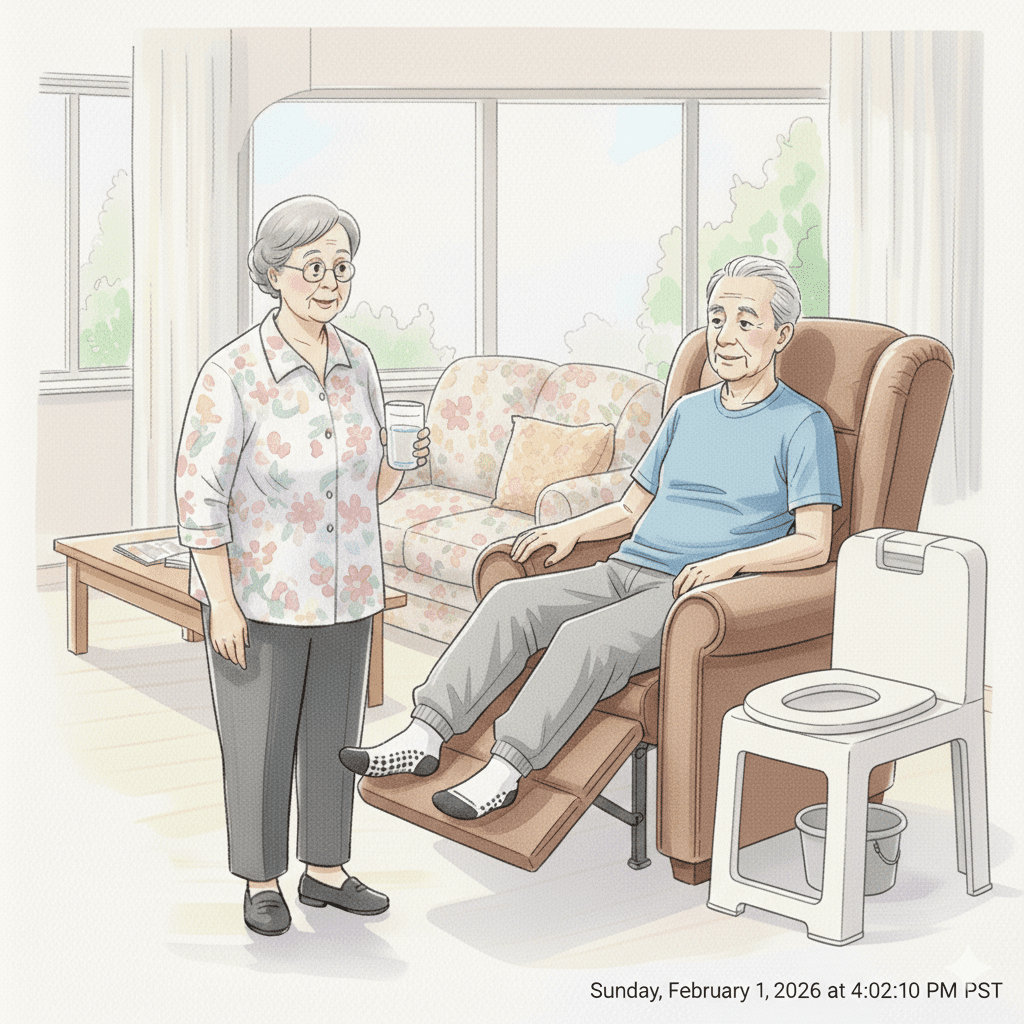
As this scenario illustrates, fear of falling can trigger a cycle of inactivity, deconditioning, and increased fall risk. Without intentional intervention, this cycle contributes to functional decline in the months and years after a stroke.
Why Fear of Falling After Stroke Is So Common
For stroke survivors, a fear of falling is often warranted because their stroke may have significantly altered their ability to safely move through their environment.
Common contributors to fall risk after stroke include:
- Lower-extremity weakness, especially on the side affected by the stroke
- Sensory loss and impaired proprioception
- Foot drop and toe drag
- Knee instability or buckling
- Impaired balance and postural control
- Visual or perceptual deficits, including neglect
In addition, the transition to home and community environments can uncover challenges and situations beyond what was addressed during inpatient or outpatient therapy. Even when patients demonstrate adequate performance in the structured environment of a clinic, the real-world includes new distractions and task demands that can increase fall risk.
These patients have also been told repeatedly through the rehabilitation process to “be careful” and “don’t fall”. They’re often well aware that a bad fall could land them in the hospital or an assisted living facility.
Fear of falling after a stroke is often a realistic response to physical limitations, but it can also negatively impact activity levels and functional outcomes. Therapists must address the patient’s fear of falling as well as their physical abilities.
When Fear of Falling Becomes a Barrier to Quality of Life
While some degree of caution is protective, heightened fear of falling contributes to increased fall risk and poor outcomes.
Stroke survivors who fear falling often limit their walking and overall activity levels. Over time, this leads to deconditioning and further decline in balance and endurance, which ultimately increases fall risk.
The consequences extend beyond physical decline, including:
- Increased caregiver burden
- Reduced participation in meaningful activities
- Social isolation and reduced quality of life
- Ongoing stress and anxiety for both the stroke survivor and their caregiver
From a clinical perspective, fear of falling directly influences how patients move, how often they move, and whether skills practiced in therapy carry over into daily life. A patient may demonstrate improved strength or balance during treatment sessions, yet avoid activities at home due to fear.
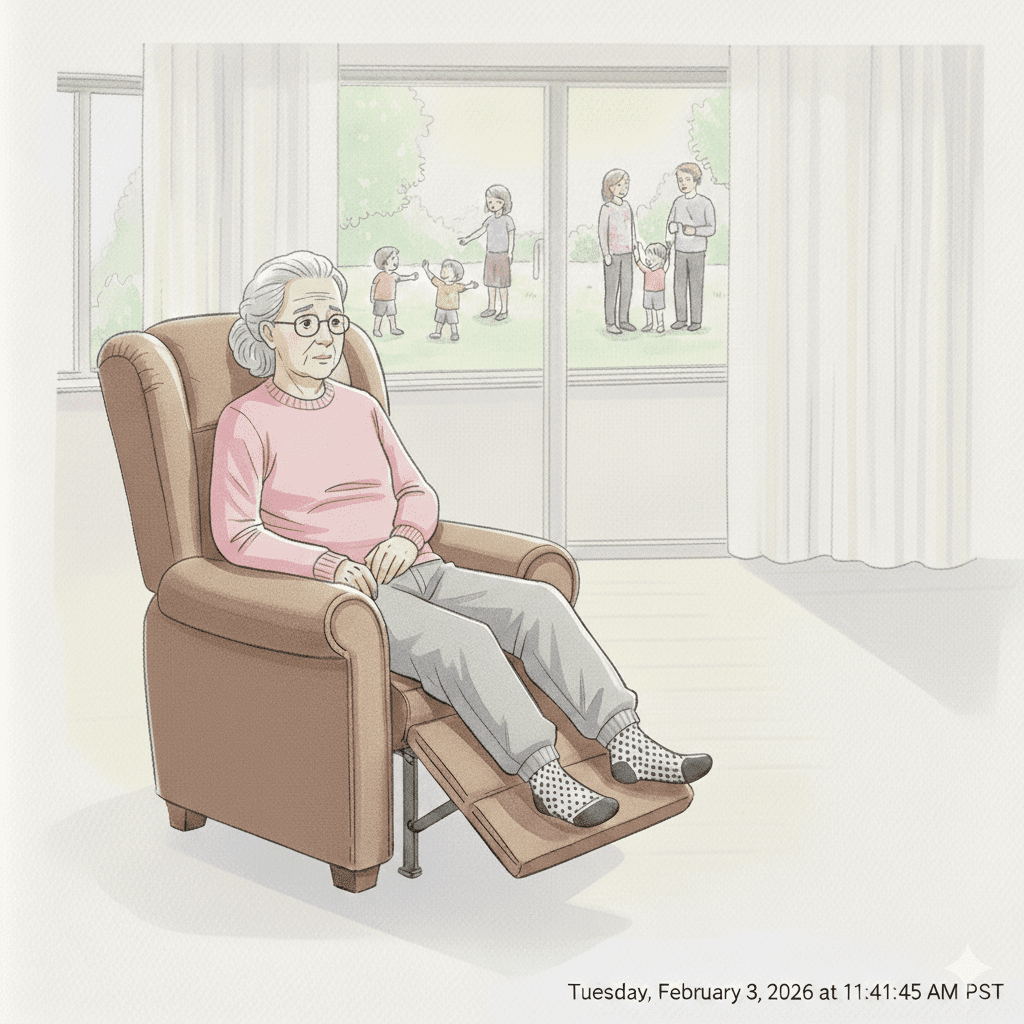
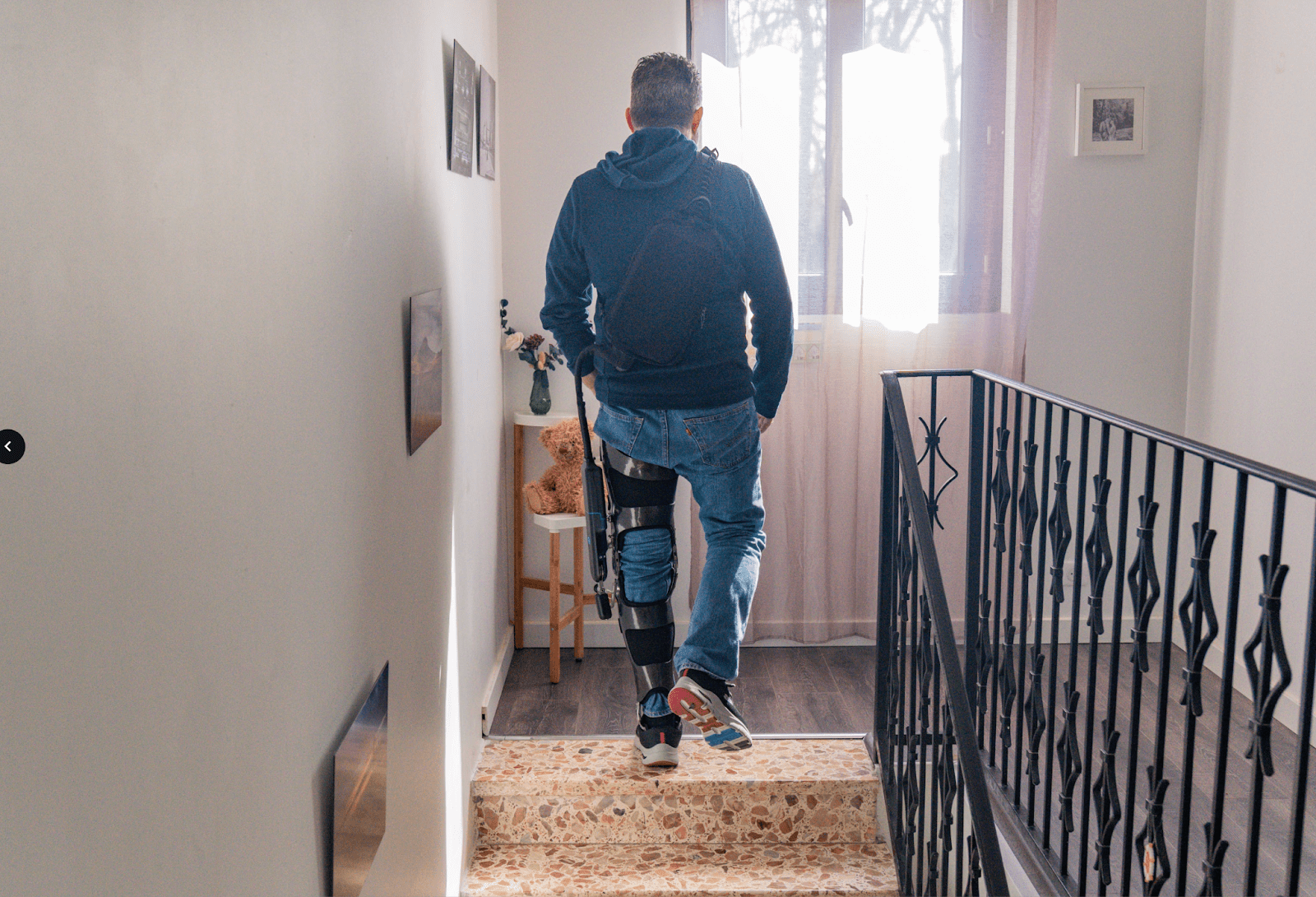
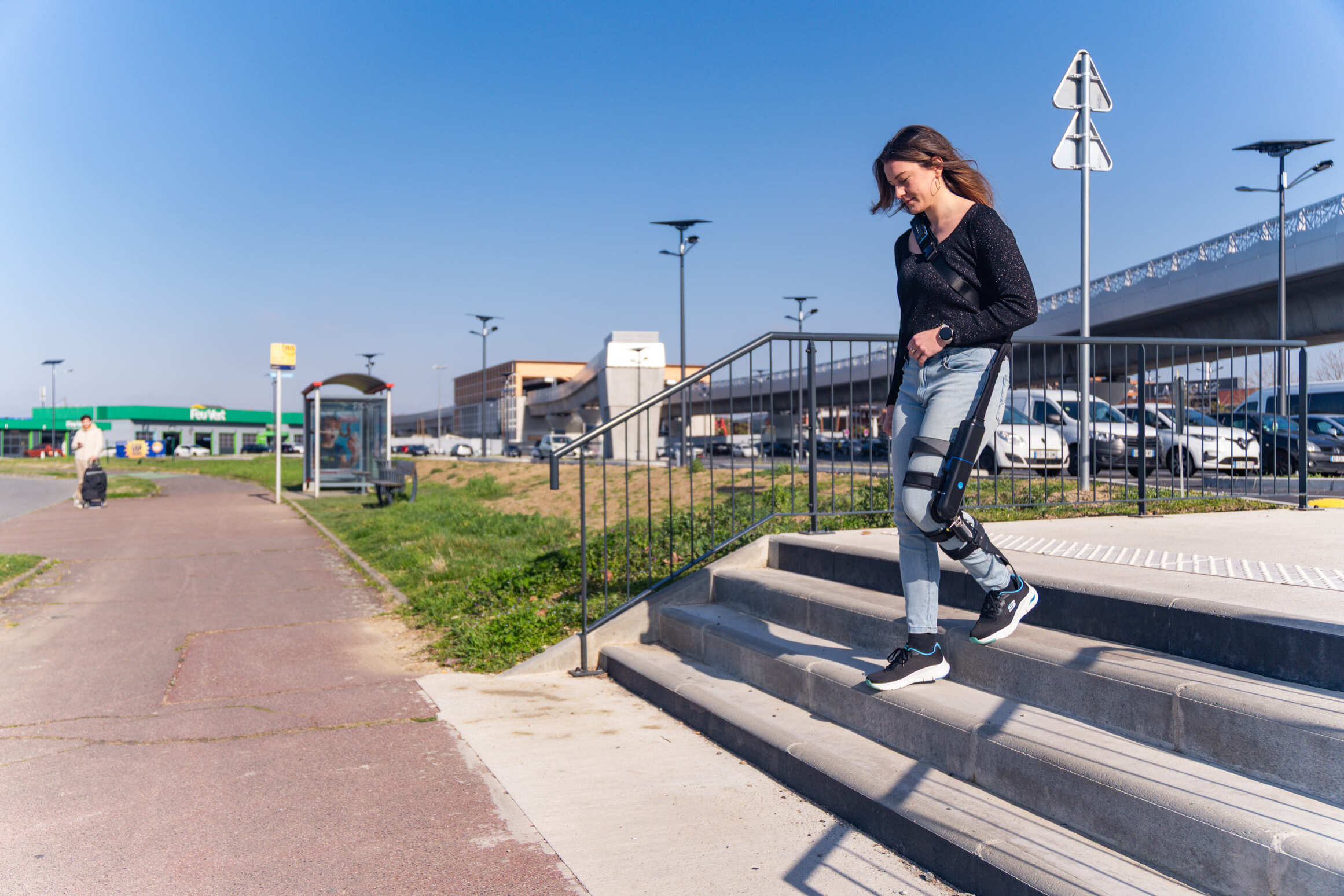
Fear of falling is not limited to basic daily activities. When patients are afraid of more challenging tasks, such as navigating stairs or walking on uneven ground, the impact extends to activities outside the home. Fear of steps becomes a barrier to visiting friends, attending social events, or climbing bleachers for sporting events.
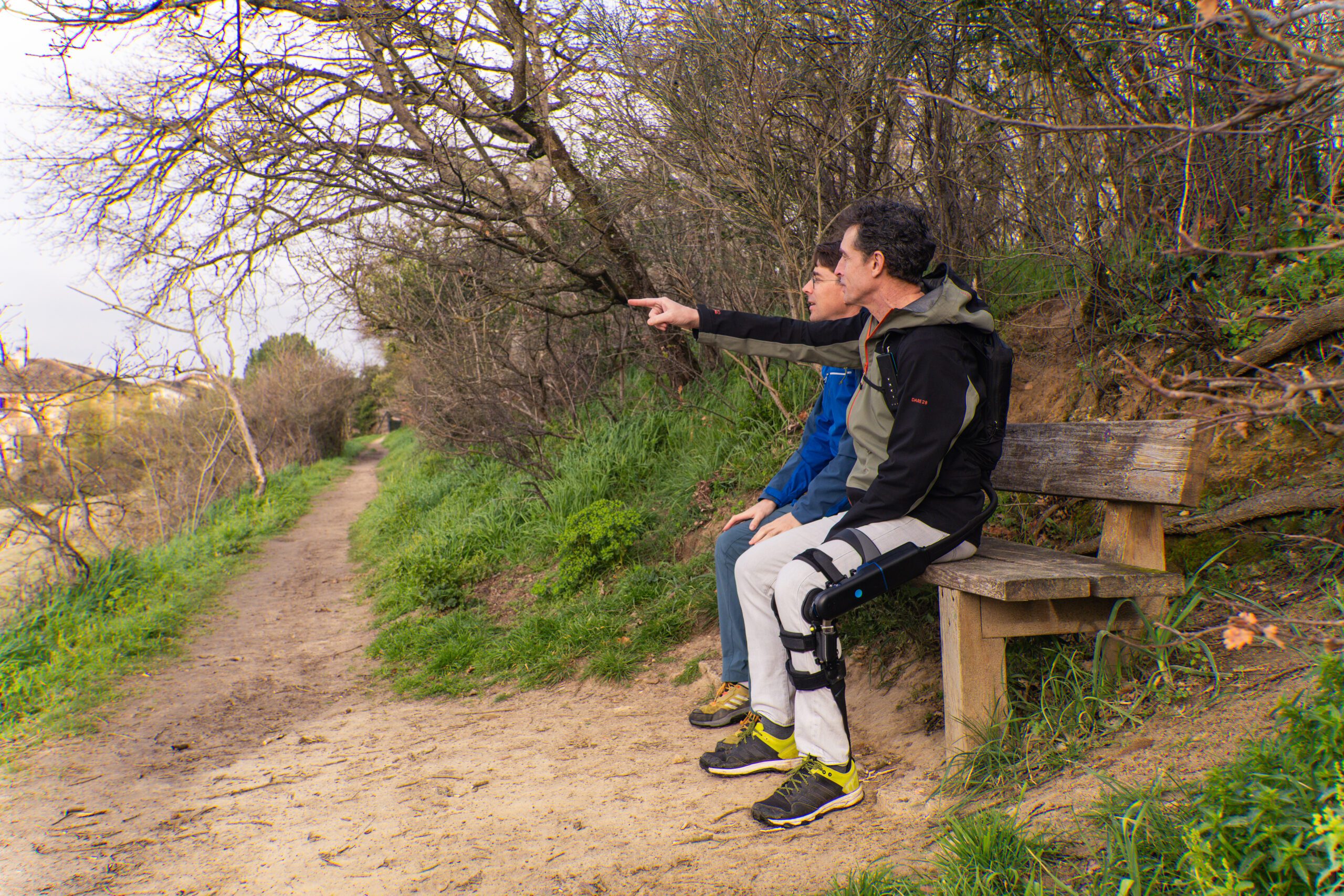
Likewise, fear of falling on uneven surfaces can limit neighborhood walks or cheering on a grandchild at a soccer game. These restrictions impact important activities that bring connection, enjoyment, and purpose. Over time, fear of falling can quietly shrink a person’s world, reducing participation, mood, and overall quality of life.
For these reasons, addressing a patient’s fear of falling should be considered an integral part of any rehabilitation plan of care rather than a secondary concern. Addressing physical impairments alone may be insufficient if fear continues to limit participation. Fortunately, there are a variety of steps you can take to reduce your patient’s fear of falling.
Strategies to Address Fear of Falling After Stroke
1. Address Physical Factors Contributing to Fall Risk
For physical therapists, addressing physical contributors to fall risk after stroke is standard practice. Strength, balance, gait, and endurance training remain essential both in early rehabilitation and after discharge, as these support the body’s ability to move safely.
Equally important is helping patients rebuild confidence in their movement. Exercise and gait training restore safer movements and help patients develop an appropriate level of confidence so they feel capable when performing daily activities and functional mobility.
To further build confidence, standardized assessments and gait technology such as SENSE can show patients how their symmetry, balance, and gait speed are improving over time.
Finally, PTs should also consider fear of falling when designing home exercise programs. When fear is limiting a patient’s daily activity, a robust exercise program that a patient is willing to complete is particularly important.
2. Adaptive Equipment and Environmental Support
The right adaptive equipment and environmental modifications make a big difference in terms of safety, confidence, and independence with functional mobility.
This may include:
- Assistive devices such as walkers and canes
- Orthotics, or bracing that are static, dynamic, or robotic
- Environmental modifications such as removing rugs, rearranging furniture, or installing grab bars
- Guided practice using the new equipment during functional tasks
New equipment doesn’t help if patients don’t know how to use it or are skeptical that they need it. That’s why it is so important for physical therapists to practice with patients and ensure that any equipment recommended is appropriate for the individual’s impairments, environment, and functional goals. When equipment feels confusing or difficult to use, it can increase fear of falling rather than reduce it.
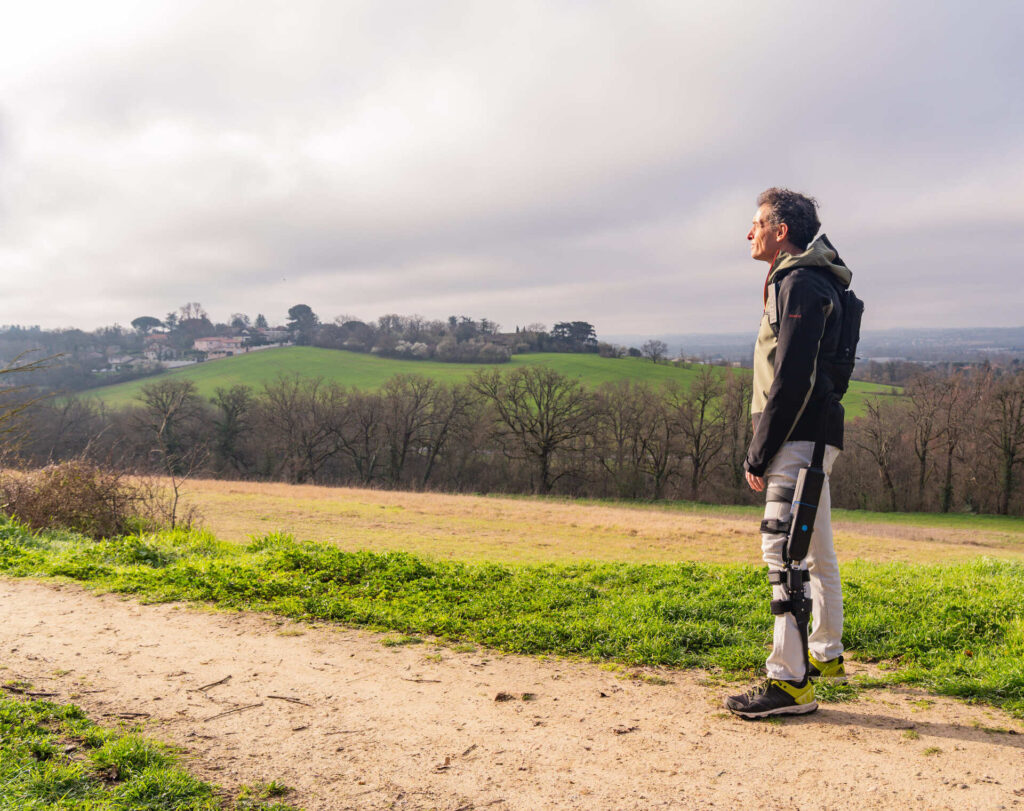
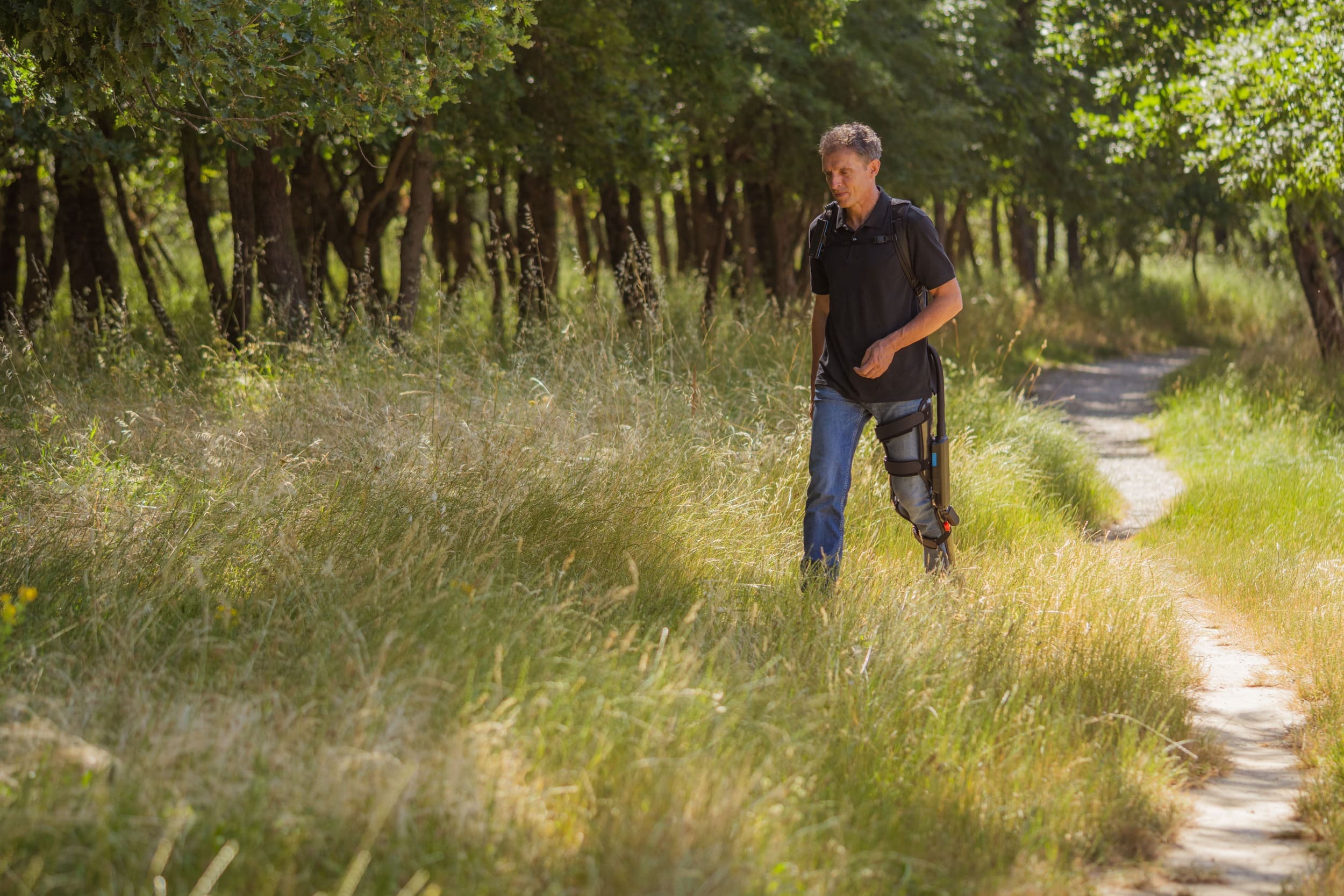
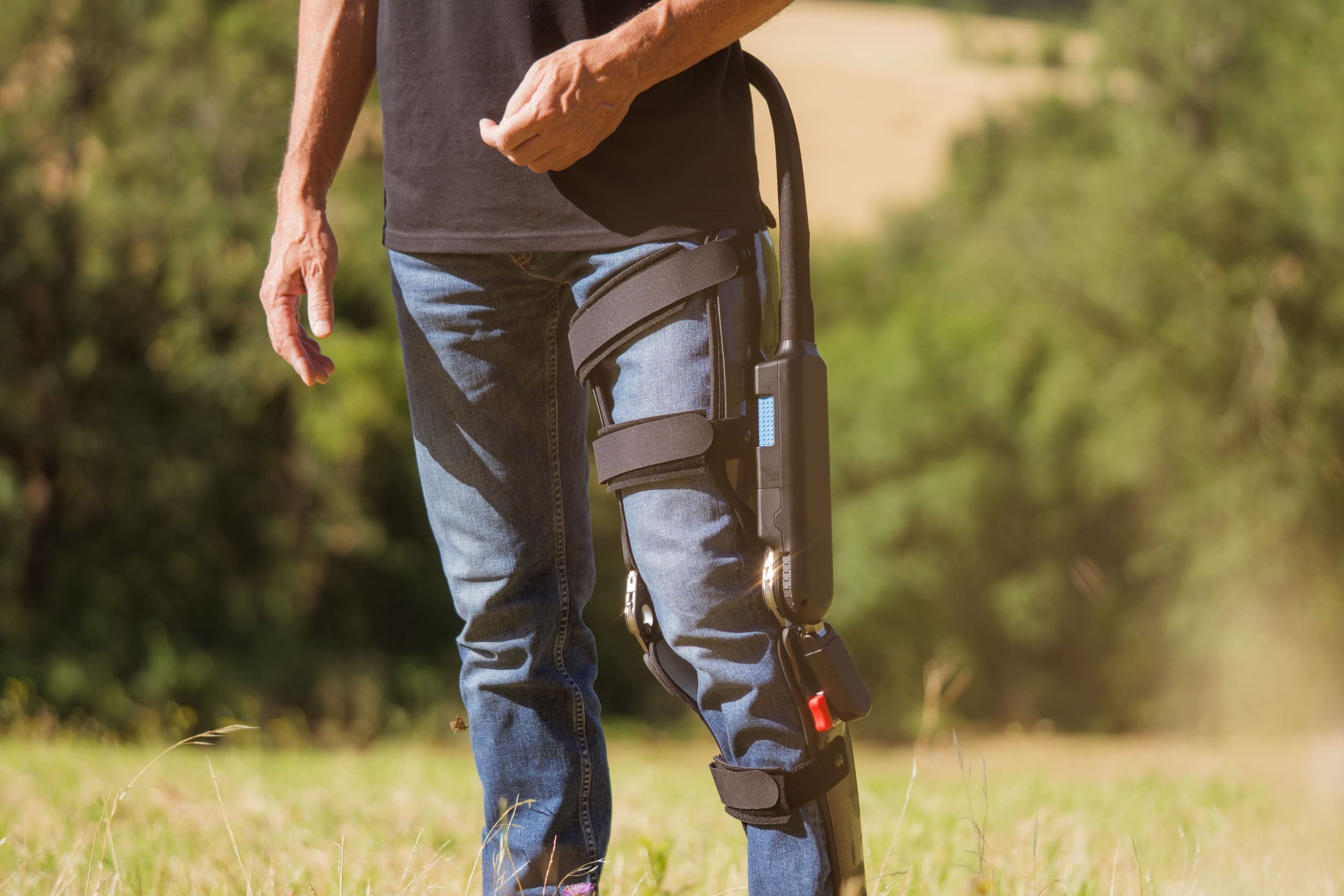
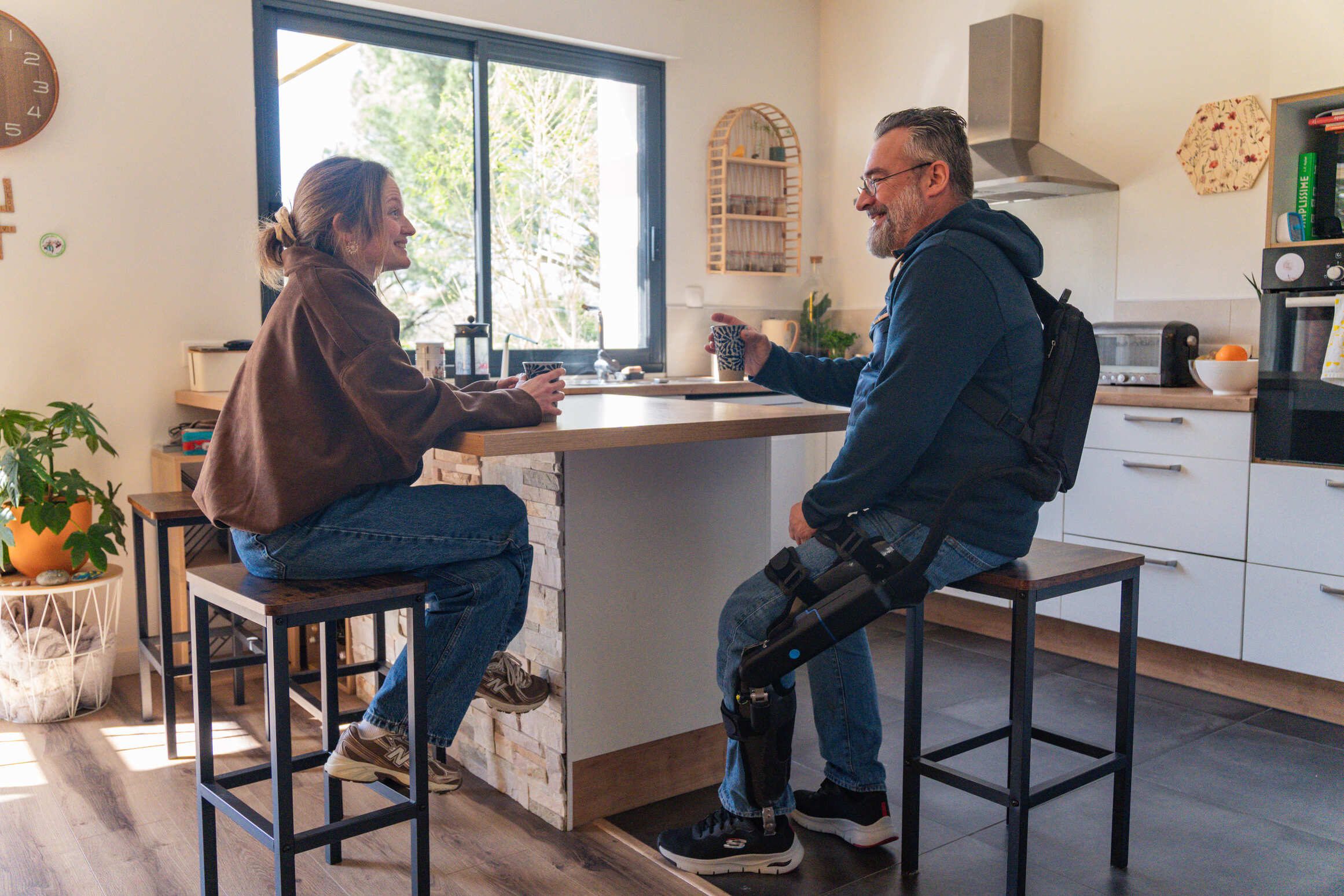
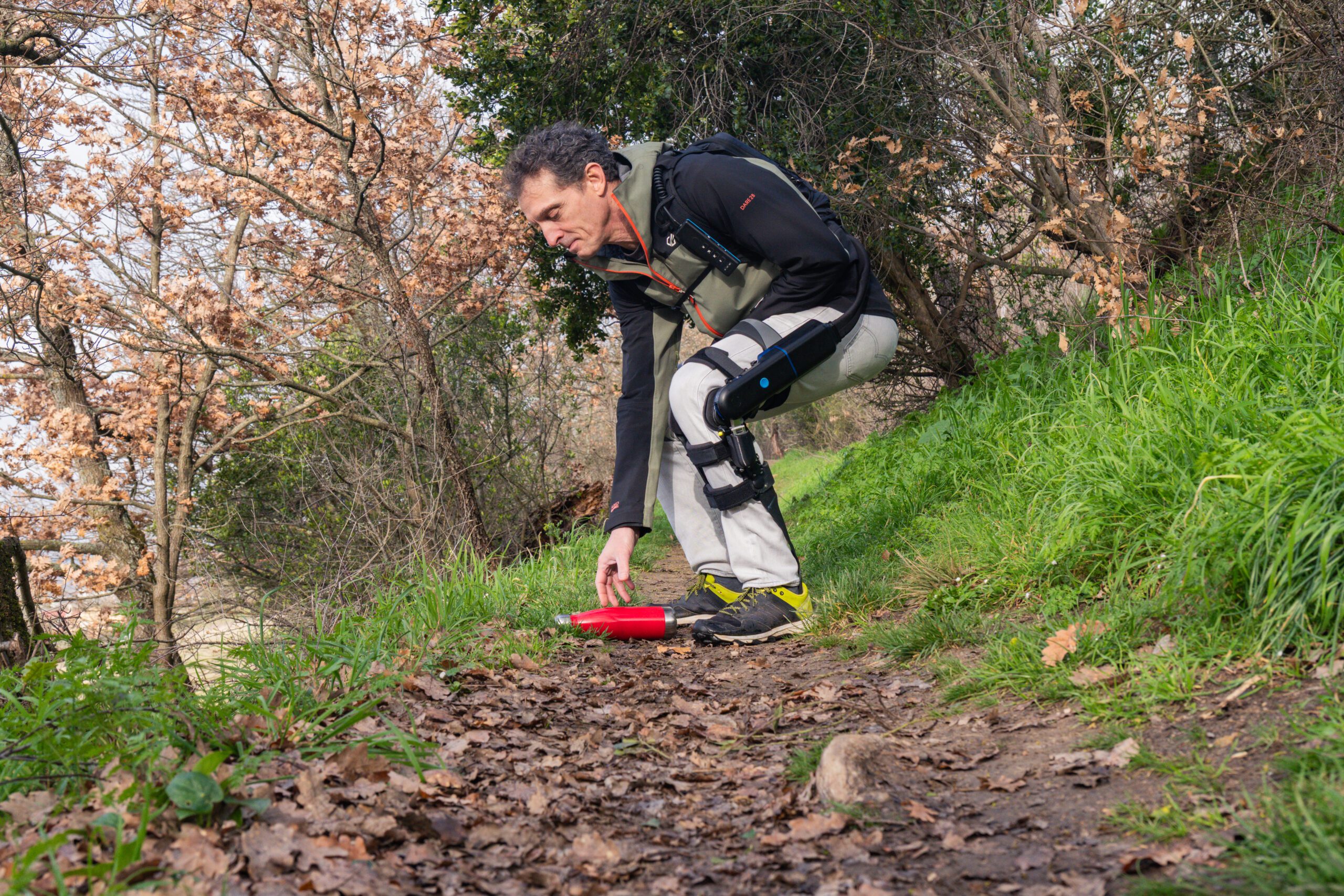
For individuals post-stroke, adaptive equipment should be designed for the demands of functional activities. The DREEVEN robotic knee brace has undergone multiple design iterations and testing with post-stroke patients, with a focus on simple donning and doffing and use during daily activities. When equipment is well-matched and introduced through supervised practice, it gives patients and caregivers the confidence to use the equipment in daily life.
3. Patient and Caregiver Education
Education plays a central role in managing the fear of falling.
When educating a patient who is afraid of falling, you might consider:
- Normalizing fear as a common and understandable response, without reinforcing avoidance of movement
- Providing a clear, professional assessment of fall risk
- Explaining which risks are modifiable
- Discussing the impact of inactivity on strength and independence
- Including instructions for restarting physical therapy after a fall or decline in strength
Involving caregivers in these conversations is essential. Caregivers often encourage rest out of concern, unintentionally reinforcing inactivity. Other times, patients don’t want caregivers “telling them what to do,” and reframing this thought pattern or hiring a trainer will help a patient maintain their function.
Ultimately, effective education helps patients and caregivers understand the actual fall risk and determine the steps to take to stay active without compromising safety
Reducing Fall Risk and Fear Through Robotic Knee Braces
Technology is constantly improving as AI advances and new products come to market. The fear of falling and the risk that falling poses to a patient’s life make it imperative that PTs consider both traditional and novel, higher-tech options for their patients.
Knee instability and unexpected buckling are common contributors to both falls and fear of falling after stroke. When this instability happens frequently, it can deeply impact a patient’s confidence with walking in the home and community.
AI-assisted leg bracing technology like the DREEVEN robotic knee brace provides support based on a patient’s individual gait signature, offering support to counteract instability. By reducing unexpected knee collapse, this robotic knee brace can reduce both fall risk and fear of falling.
To illustrate what’s possible, let’s return to the fictional clinical scenario above:
Mr. Smith reached out to his physician and returned to outpatient rehabilitation at the therapy center where he had previously been treated. Over several weeks of therapy, he regained strength and endurance. Despite these gains, he still didn’t “trust his leg” and he remained reluctant to walk unless someone stayed close by.
Imagine if, at this point in his rehabilitation, Mr. Smith was introduced to the DREEVEN robotic knee brace to provide additional support when walking. With the robotic brace on, he reported feeling more stable, although he continued to use his cane and follow safety recommendations.
With improved confidence and tolerance for activity, Mr. Smith not only returned to using the bathroom independently, but he also started walking at the mall once a week with Mrs. Smith. They both feel they now have a good weekly routine of activities without a constant fear of falls.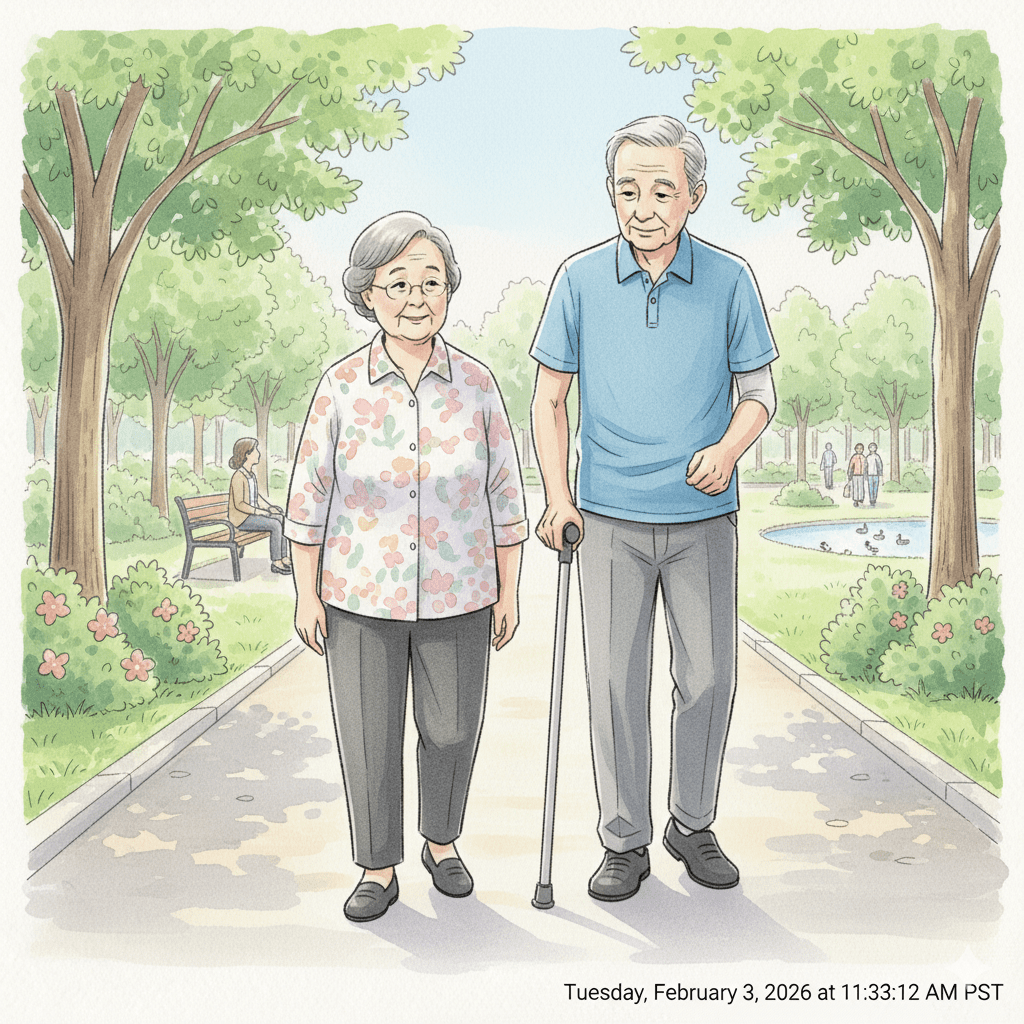
Key Takeaways on Fear of Falling for Neuro-Rehab PTs
Fear of falling after stroke is common, understandable, and consequential. While caution can be protective, persistent fear of falling often limits activity, increases caregiver burden, and undermines rehabilitation outcomes.
It’s not enough to address physical limitations. To provide effective care, PTs need to consider how fear of falling is impacting the patient’s activity performance and quality of life. The impact of caregiver education and comfort with the equipment and activity must also be considered during the rehabilitation process.
Technology like the DREEVEN robotic knee brace can support function after a stroke by providing external bracing that reduces falls and helps individuals feel more confident for a more active and independent life.
We have recently opened the Neuro Integration Program, where we’re partnering with Stroke Centers of Excellence to bring this technology to the patients who need it the most, pending FDA approval. Partner facilities get access to the proprietary gait analysis system, SENSE, to support their patient’s gait recovery and will get access to the DREEVEN robotic knee brace for their patients, pending FDA approval.