Why doesn’t good rehab technology reach the people who need it most?
It’s rarely about the technology itself.
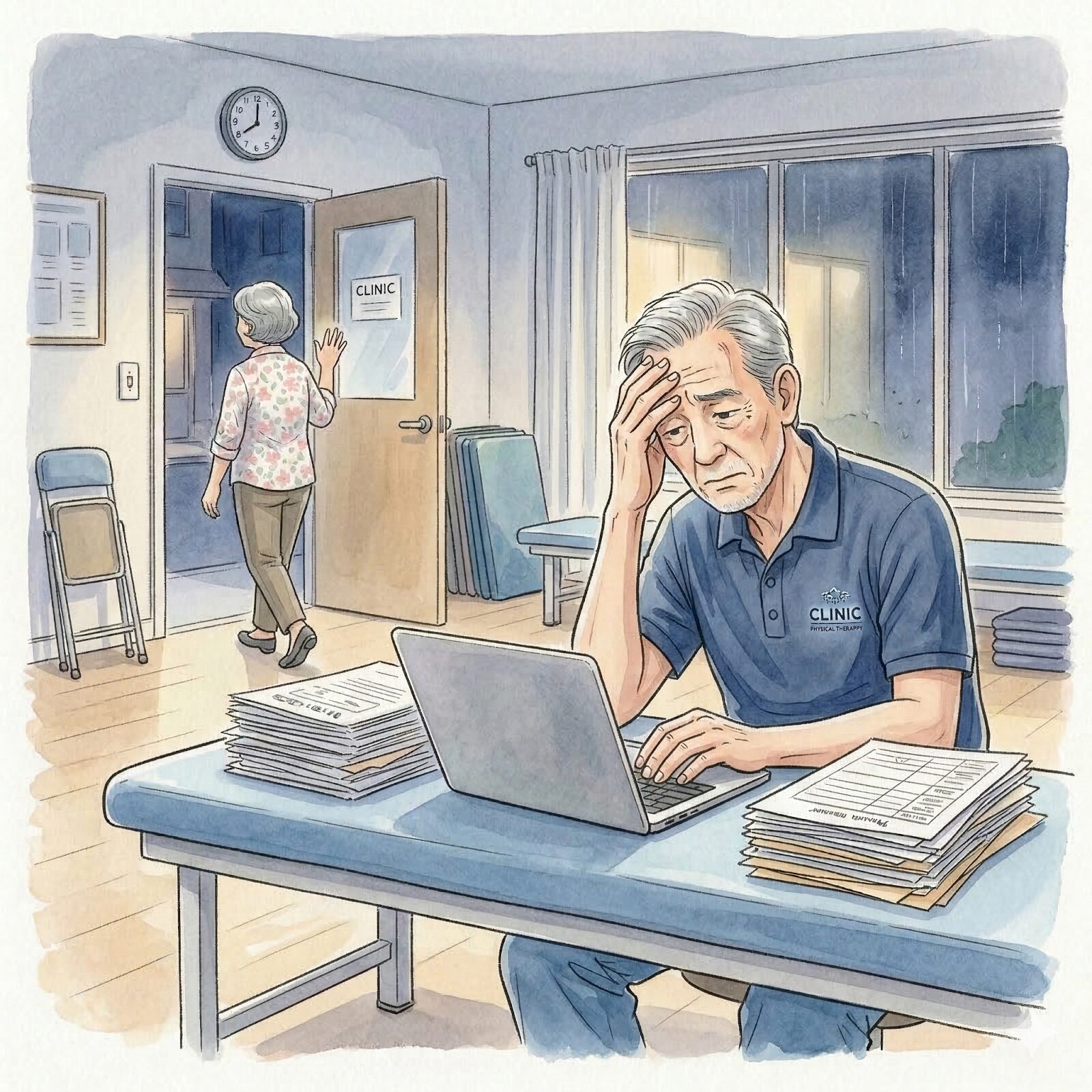
Clinicians are the bridge between rehabilitation technology and the patients who need it. Introducing a new device requires more than ordering it and handing it to the patient. Physical therapists must teach safe use, integrate it into a treatment plan, justify it to payers, and manage the learning curve on a schedule that provides little to no time for these tasks. They’re simultaneously navigating an insurance system that limits how long they can provide care.
Most of a physical therapist’s day is dedicated to direct patient care, and productivity expectations leave little room for anything else. Alongside that, PTs are fielding growing pressure from patients and families who expect access to the latest tools that they’ve heard about online.
In short, clinicians are being asked to do more with less, in less time, with less certainty about which technologies are actually worth adopting.
Research confirms the pattern.1 Costs, workflow disruption, usability, and trust all factor into whether a new tool ever makes it into clinical practice, regardless of how well it performs in a lab.
Below are the five most common obstacles to technology adoption in stroke rehabilitation, and what it looks like when technology is designed to work around them.
Barrier 1: Plateau & Limited Therapy Visits
Many stroke patients require months or even years to recover fully, but most insurance companies only cover a limited number of therapy sessions.
Patients often plateau somewhere in the therapy journey. This leaves therapists and patients frustrated when therapy gets discontinued before the patient reaches their full potential. The transition from clinical recovery to true community independence remains one of the biggest unmet needs in stroke care. In fact, one research study showed that 75% of patients get discharged from physical therapy before they achieve the skills required for community mobility.
Recognizing the limitations of the current reimbursement system means therapists need to get creative. The first step is technology with the sensitivity to show progress and justify care, even when progress is slow. REEV SENSE includes a sensor and an app that provides objective, precise gait data. This data is used for documenting progress, justifying care, and appealing denials.
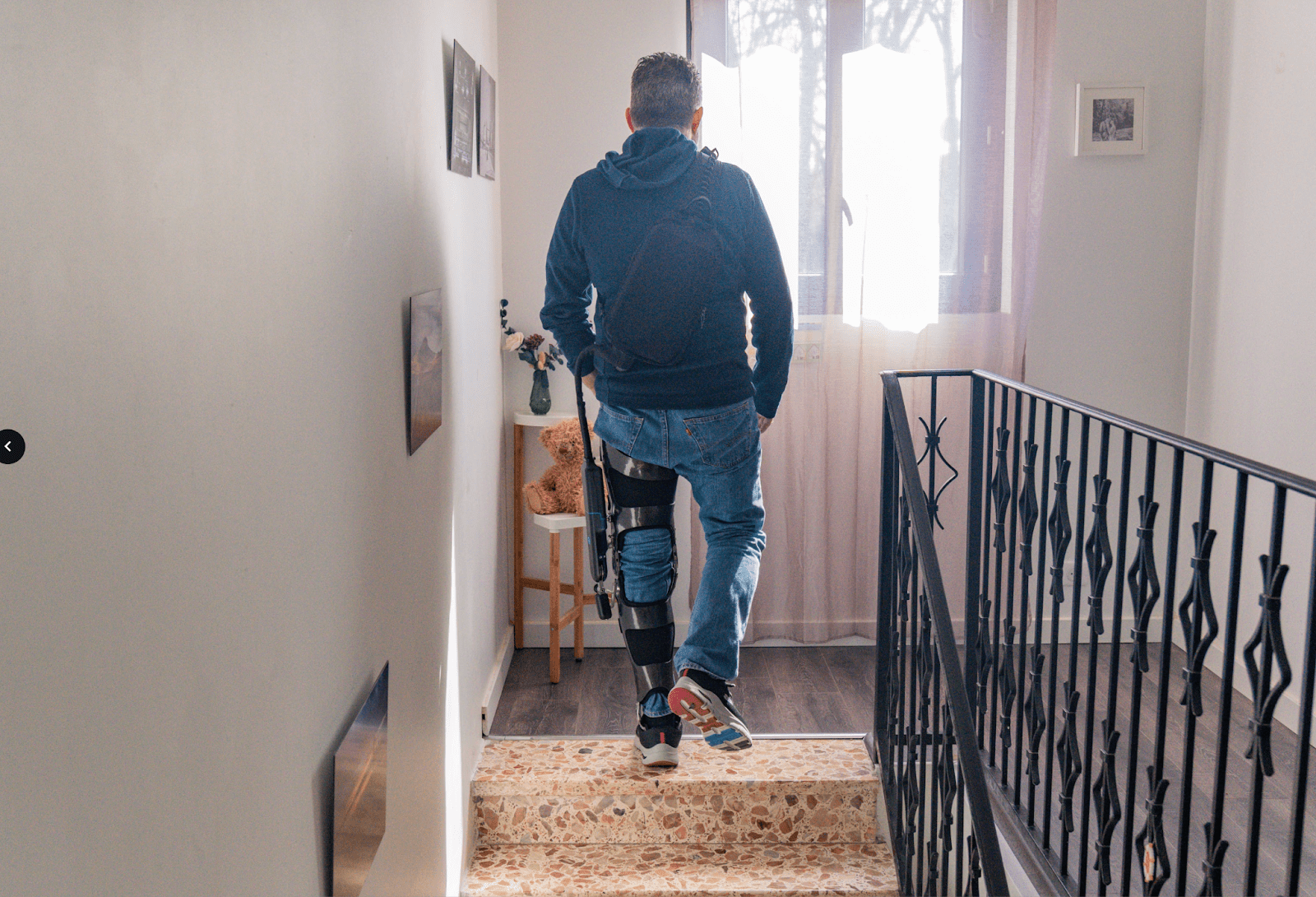
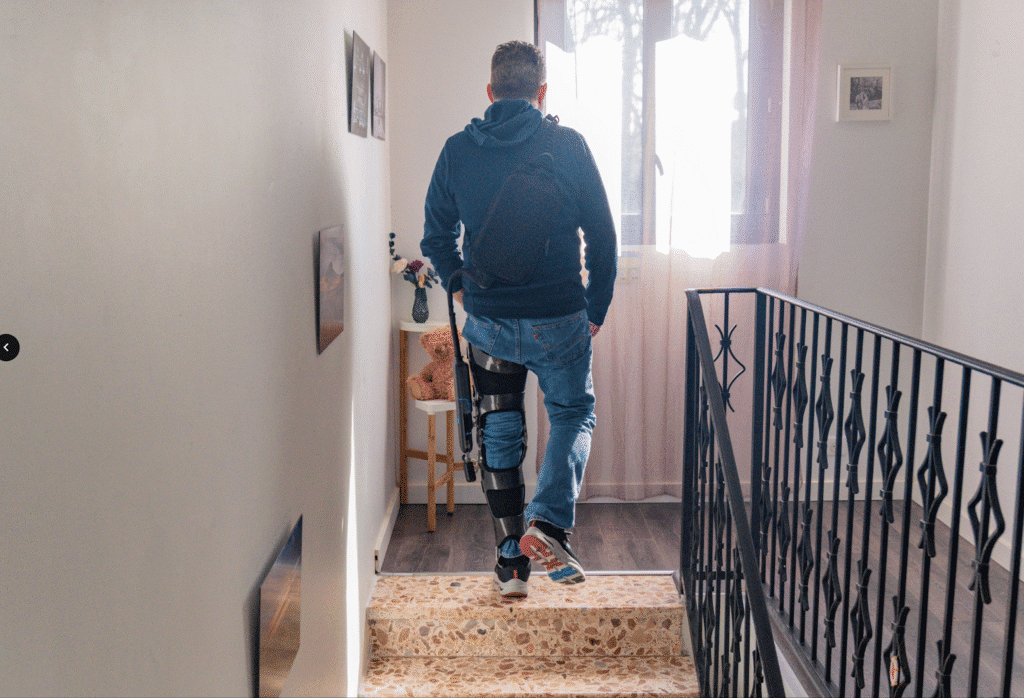
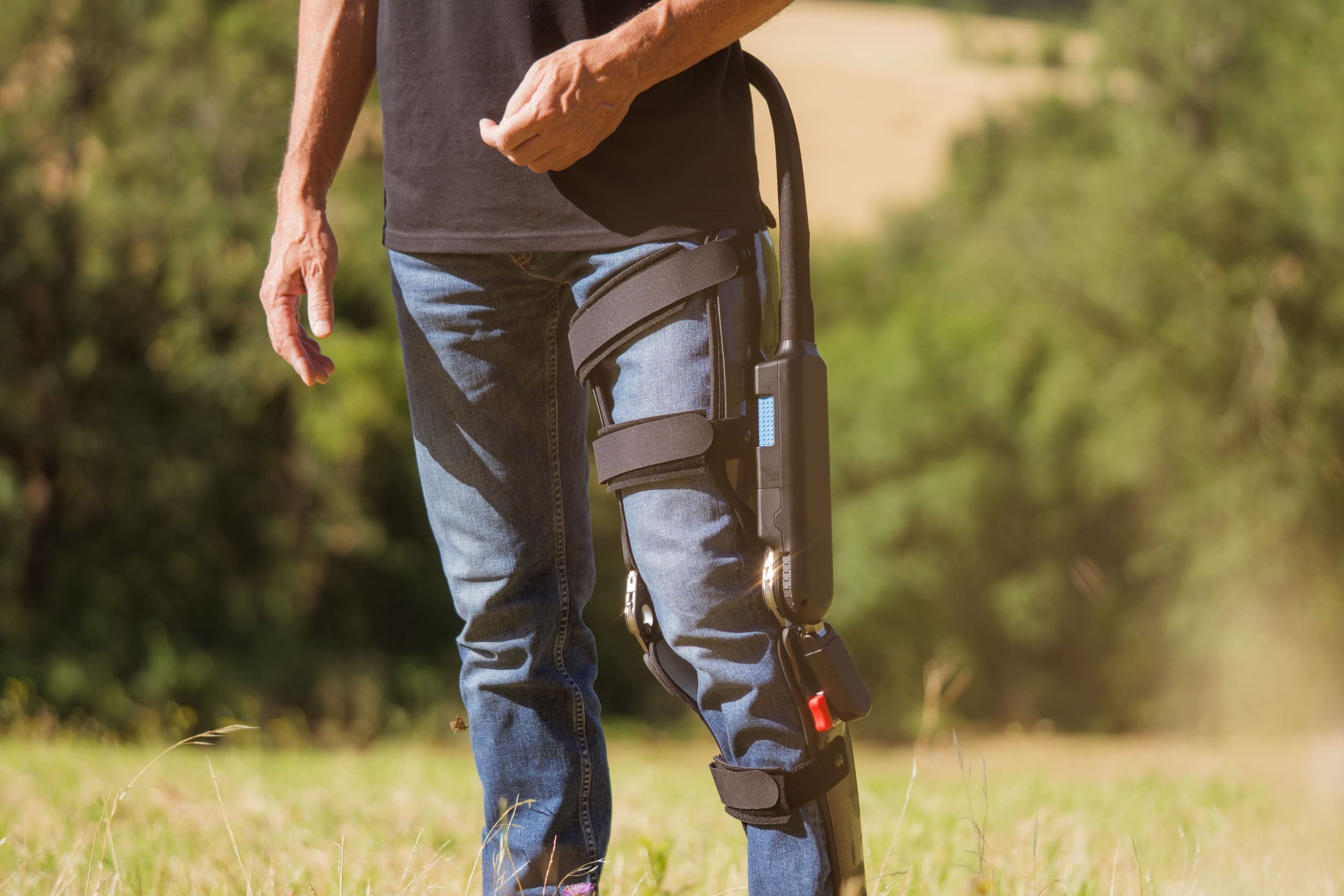
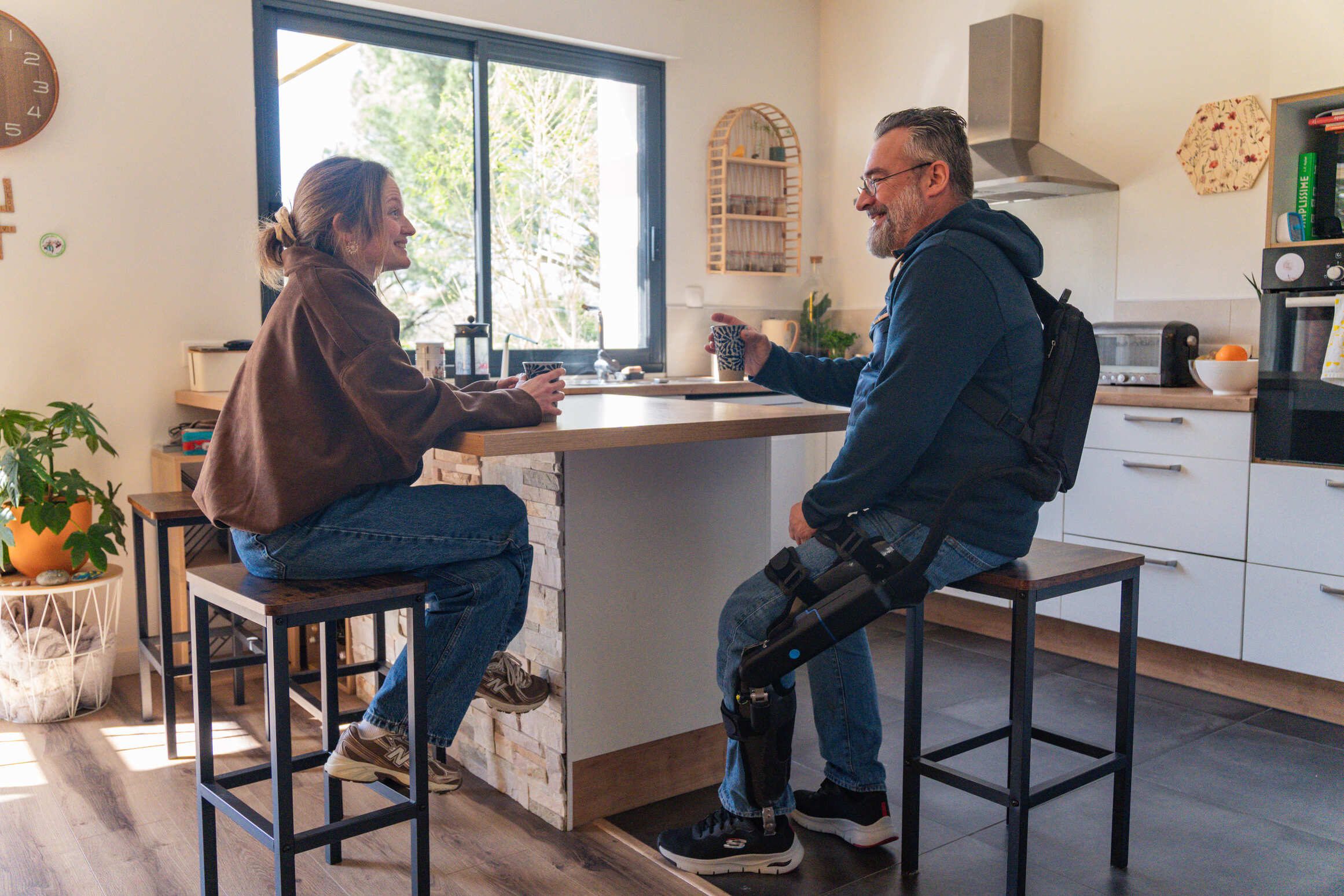
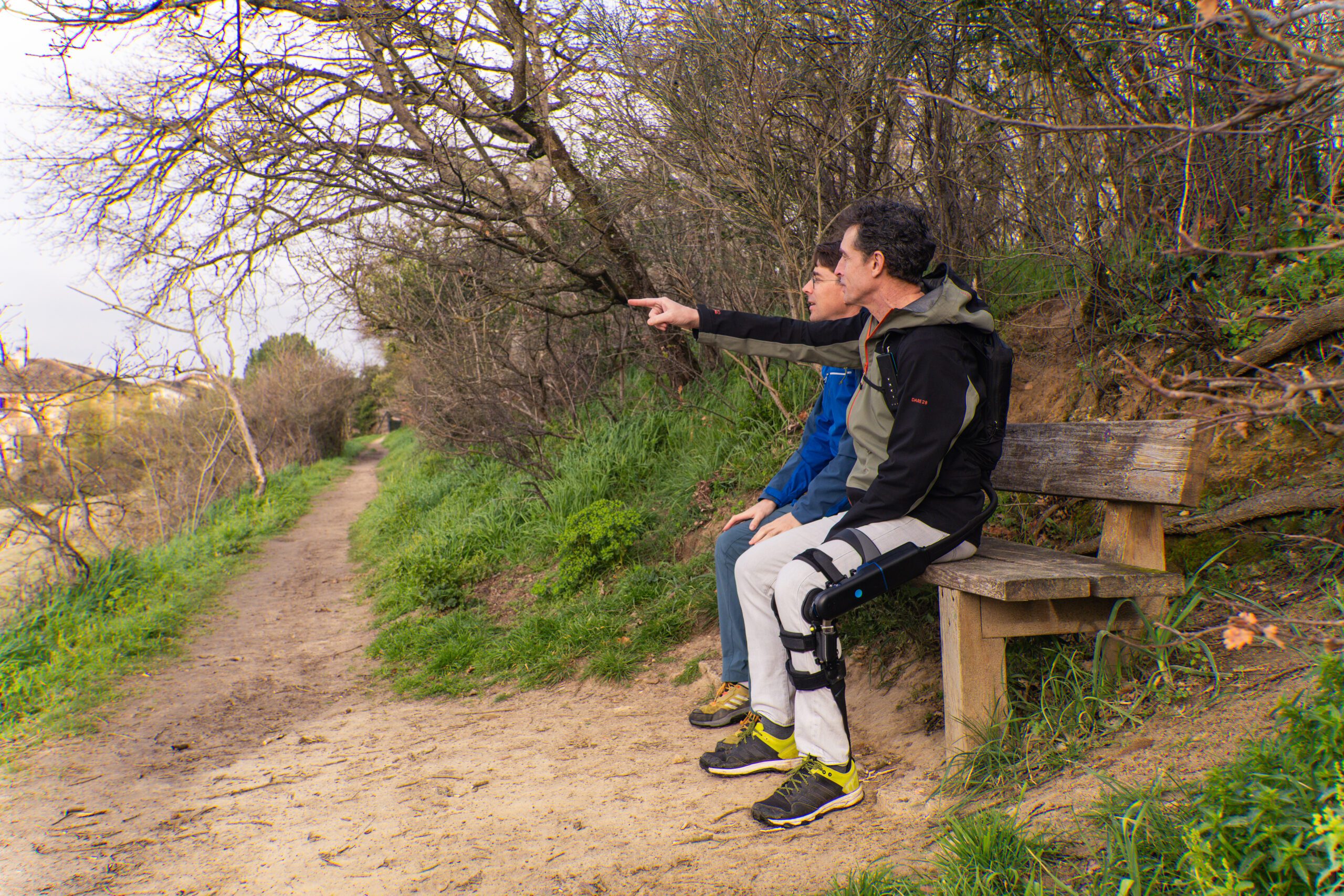
Next, physical therapists need to leverage technology that helps supplement therapy between sessions. This may include encouraging patients to join group classes, completing home exercise programs, or engaging in daily activities that promote recovery. Another option could be the DREEVEN robotic knee-ankle-foot-orthosis. This responsive brace provides gait support for stroke survivors, which may allow them to be more active and independent in their home and community.
Barrier 2: Knowing Which Patients Will Benefit
With limited time and resources, clinicians struggle with how to choose the right technology for each patient
PTs don’t want to introduce technology that won’t work, and they don’t have time to guess. They want confidence that the technology they introduce to clients will be a good fit for their needs.
With a wide array of patient needs and technology options, it’s not always easy to identify the right candidates, especially when a device is new or unfamiliar. In this context, a busy therapist is more likely to stick to the tools they already know.
Knowing this, REEV designed SENSE to help therapists identify stroke patients most likely to succeed with the DREEVEN robotic knee brace. In the rehab world, every tool needs to earn its place. In addition to supporting patient selection for DREEVEN, SENSE provides objective gait data and supports informed clinical decisions in a way that can be incorporated into billable time with patients.
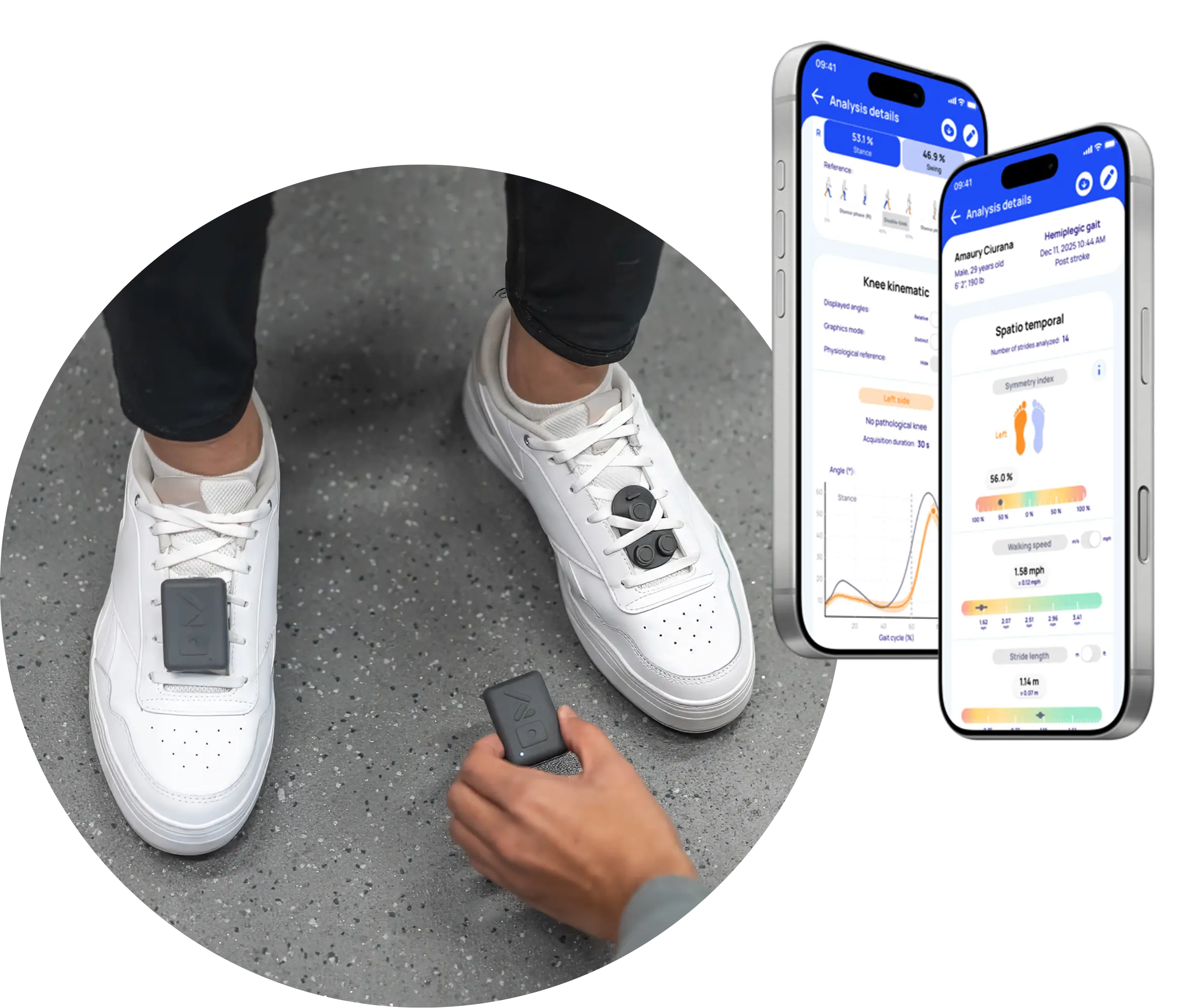
This approach saves valuable time by reducing trial-and-error, preserving billable session time, and ensuring patients receive interventions that truly support their functional progress.
Barrier 3: Workflow and Administrative Challenges
If a device or piece of technology doesn’t fit into the workflow, it typically won’t get issued or used.
That’s because even when a therapist believes a device is the right choice for the patient, figuring out exactly how to order, issue, and request reimbursement can be overwhelming. PTs in a healthcare facility aren’t typically authorized to order equipment. They have to follow the appropriate channels, navigate insurance, understand documentation requirements, and then educate the patient. They may even need to contact a durable medical equipment (DME) provider and schedule joint appointments with them, further complicating the process. It’s extra daunting when navigating the unfamiliar workflow of a new piece of technology.
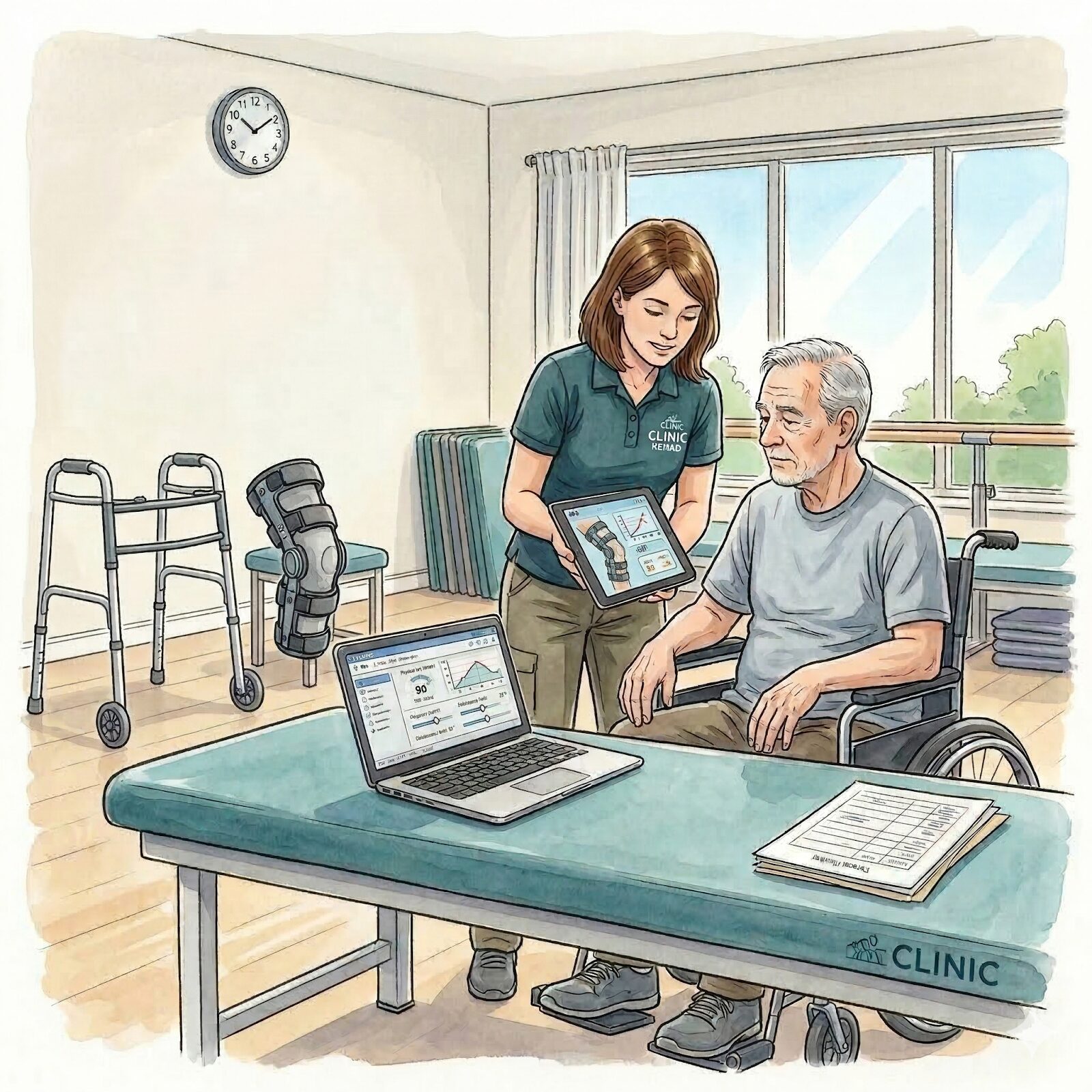
With this challenge in mind, DREEVEN is dedicated to simplifying this administrative process for PTs by handling much of the paperwork and logistics so therapists can focus on patient care. Once a workflow is in place, adoption becomes repeatable, making high-tech equipment a realistic part of clinical care for clinics of all sizes.
Barrier 4: Complexity of High-Tech Equipment
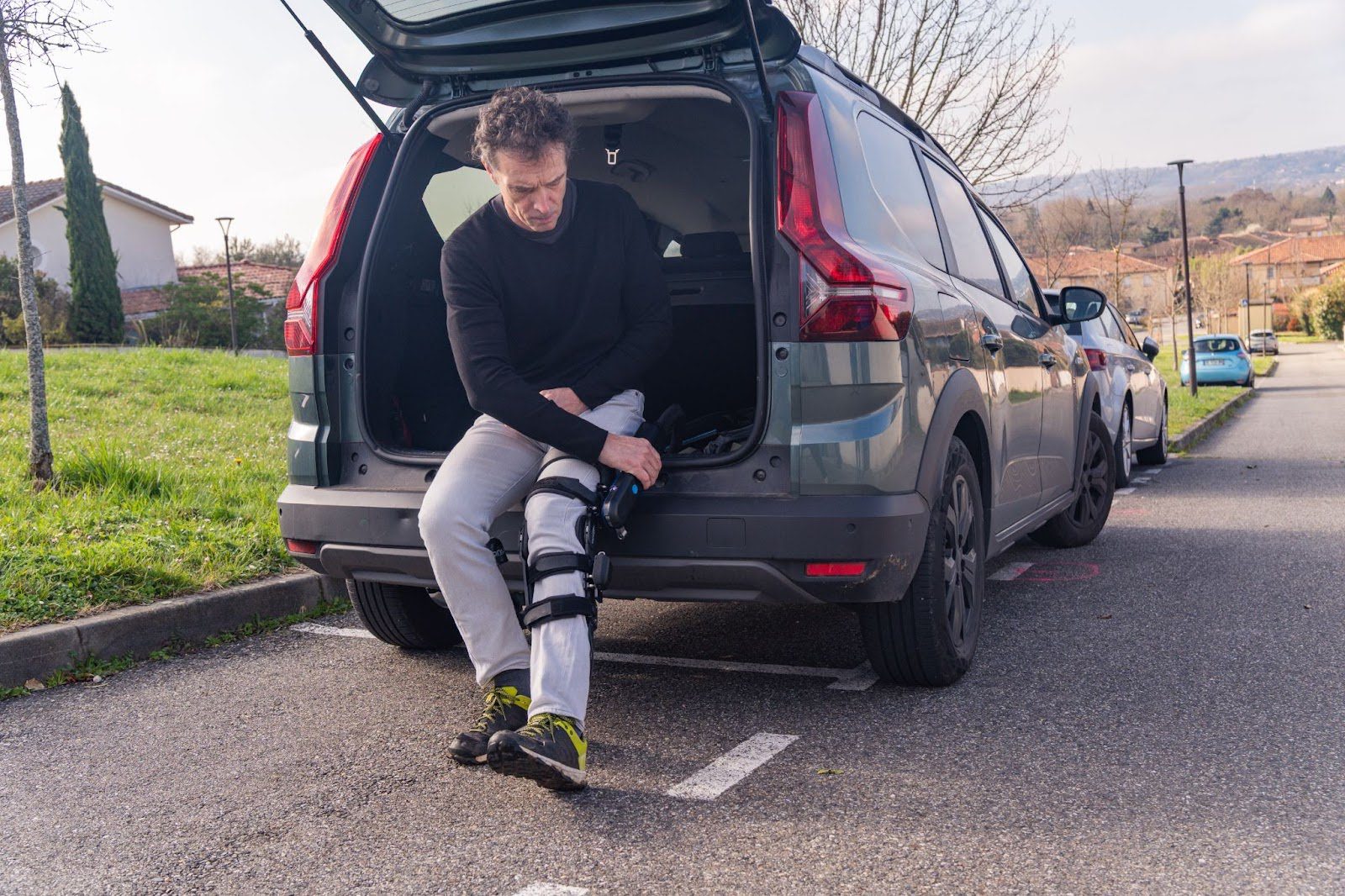
Complicated technology is overwhelming to patients and therapists alike. For example, traditional exoskeletons are often bulky, intimidating, and difficult to integrate into a clinic environment or home. Patients may struggle with wearing them, and clinics fear extensive staff training.
Some other high-tech devices require extensive setup and maintenance or require multi-step processes and won’t work for patients with cognitive impairments. PTs often question whether patients will be able to independently manage complex systems.
To avoid this problem, the DREEVEN robotic knee brace is low-profile, comfortable, and designed for ease of use. It’s a high-tech solution that’s designed to be extremely simple to use. That means it’s easy for PTs to learn and set up with patients without extensive additional training or clinic space. It’s also something patients can readily learn and begin using at home.
Barrier 5: Too Many Technology Options to Learn
New medical technology is coming to market at an increasingly rapid pace, especially with AI advances. Physical therapists are asked to keep up with more devices, software, and rehab tools. Having more options is great, but it can be very challenging to know which options are beneficial and which aren’t worth taking the time to trial and learn. Each new device comes with a learning curve before it can be safely deployed with patients.
REEV took this into account while designing DREEVEN. Therapist feedback is used to make sure the brace is intuitive and user-friendly, requiring minimal training to start using in sessions. REEV also provides ongoing clinical support and offers partner clinics the chance to try a free trial unit, making it easier for therapists to explore the technology without risk. Learn more about the Neuro Integration Program.
The Bottom Line: Technology That Works for Stroke Rehab
Many factors contribute to the adoption of new technology in stroke rehabilitation. Solutions don’t just need to work for patients; they also need to fit within the realities therapists face every day. If a device doesn’t align with clinical workflows, time constraints, and patient needs, it won’t reach the people it was designed to help.
At REEV, we acknowledge the critical role of PTs in providing access to rehabilitation technology. We strive to make our products easy for PTs to use in clinical practice and recommend to patients. To achieve this, our products are developed in close collaboration with clinicians and informed by real-world outcomes data, ensuring they remain grounded in what works in clinical practice.
The Neuro-Integration Program
To lay the clinical and operational groundwork for the future introduction of DREEVEN, REEV has launched the Neuro Integration Program in partnership with Stroke Centers of Excellence.
Participating facilities receive REEV SENSE, our FDA-cleared, HIPAA-compliant gait analysis system, for full integration into their neuro-rehabilitation programs. As clinics use SENSE to support therapy and gait retraining, they can identify patients with specific gait patterns and persistent deficits who may be well-suited for DREEVEN once available. Partner clinics will also be positioned for clinical access to DREEVEN following FDA clearance.