Did you know that walking speed can predict hospitalization, falls, and even mortality?
When most people think of vital signs, they picture heart rate, blood pressure, respiratory rate, and temperature. These are the objective measurements that offer a quick snapshot of a patient’s health and help guide clinical decisions.
Walking speed is increasingly recognized as a sixth vital sign because, like these other vital signs, it is easy to measure, reliable, and meaningful across populations.
The concept of walking speed as a sixth vital sign is grounded in extensive rehabilitation research, including a landmark white paper by Fritz and Lusardi. Since then, numerous studies have confirmed its value by linking walking speed to functional independence, fall risk, discharge planning, and rehabilitation potential.
For physical therapists, walking speed is a practical tool. It captures both physiological and functional changes, tracks progress over time, and supports evidence-based rehabilitation planning. Consistently incorporating this simple measure into your assessments gives a clearer picture of your patients’ mobility and helps guide care decisions that improve outcomes.
Standardized mobility tests that capture gait speed are now included in the REEV SENSE centralized gait analysis platform. Request a free trial today.
The Link between Walking Speed, Daily Function, and Clinical Outcomes
Cognition, balance, endurance, and strength all contribute to walking speed. For this reason, speed functions as a clinical vital sign because this one indicator reflects the health of the multiple systems that need to work together to complete this complex activity.
Walking speed provides insight into:
- Mortality and hospitalization: Slower walking speeds are associated with increased risk of death and longer hospital stays.
- Falls and fear of falling: Walking speed can help identify patients at risk for falls, allowing therapists to intervene early.
- Rehabilitation potential: Walking speed helps determine which patients may benefit most from therapy and what intensity of intervention is appropriate.
- Supportive bracing needs: Slow walking speed may be due to instability or weakness, which an intelligent, motorized brace, like DREEVEN, can address.
- Discharge planning: Walking speed predicts whether a patient is likely to return home safely or require a skilled facility.
In general, faster walking speeds are associated with better health, greater safety, and increased participation in daily and community activities, such as shopping, stair negotiation, and street crossing. For reference, a walking speed of 1.0m/s or greater is the threshold where individuals are likely to be able to navigate the community and daily activities independently.
In addition to providing insights into function, walking speed also has significant clinical value. With well-established normative values and clinical cut-offs, it’s easy for physical therapists to apply findings to goal setting, treatment planning, and discharge decisions.
Walking speed data also supports patient education. By comparing a client’s walking speed data to established norms for function, a therapist can give a patient additional insight into their safety, performance, and need for therapy. For example, the chart by Middleton and Fritz can be used during a session to explain how a patient’s walking speed relates to common functional and health outcomes.

How to Measure the 6th Vital Sign: Gait Speed
Walking speed is an easy measurement to integrate into routine physical therapy practice. It is useful for a wide variety of patients, takes less than two minutes to administer, and requires minimal equipment.
The most common gait speed tests:
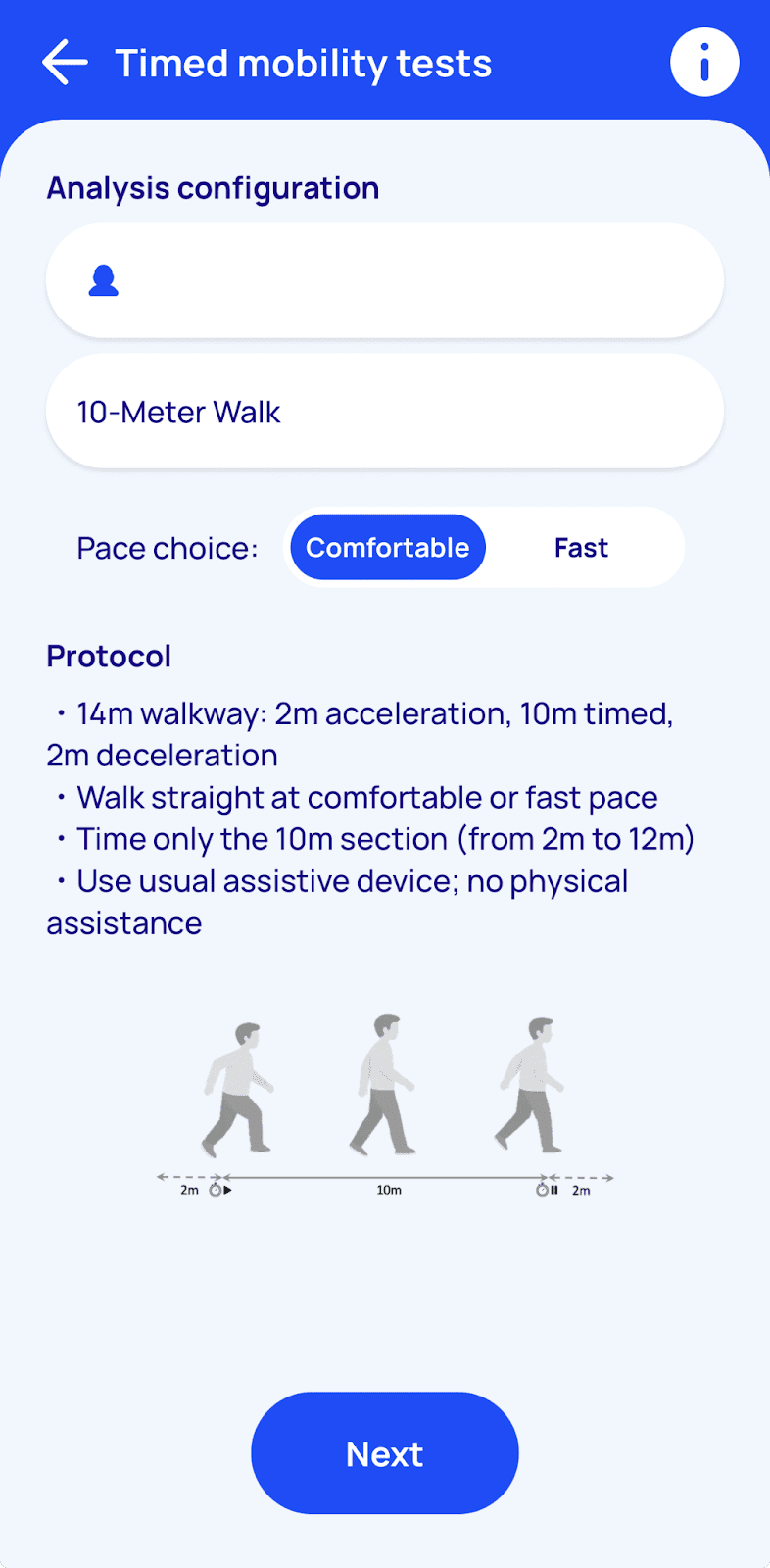
10-Meter Walk Test: Reliable for assessing steady-state walking speed in most populations.
6-Minute Walk Test: Evaluates both speed and endurance and is particularly useful for patients where stamina is a limiting factor.
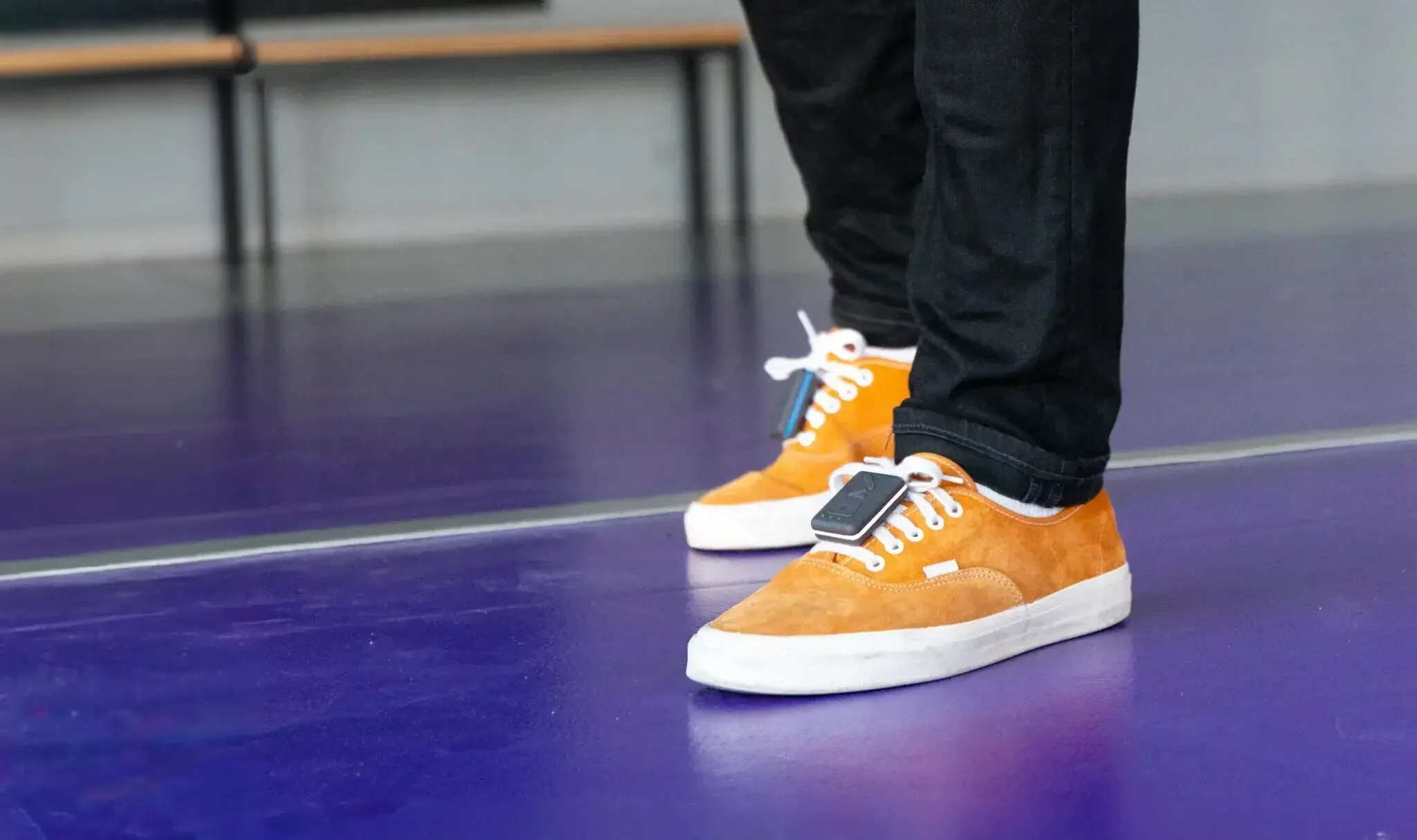
For these gait speed tests, time is measured using a timing device and walking speed is then calculated using the time and distance. For those wanting to make the measurement of walking speed more streamlined or accurate, there are tools like wearable sensors, instrumented walkways, and timing apps.
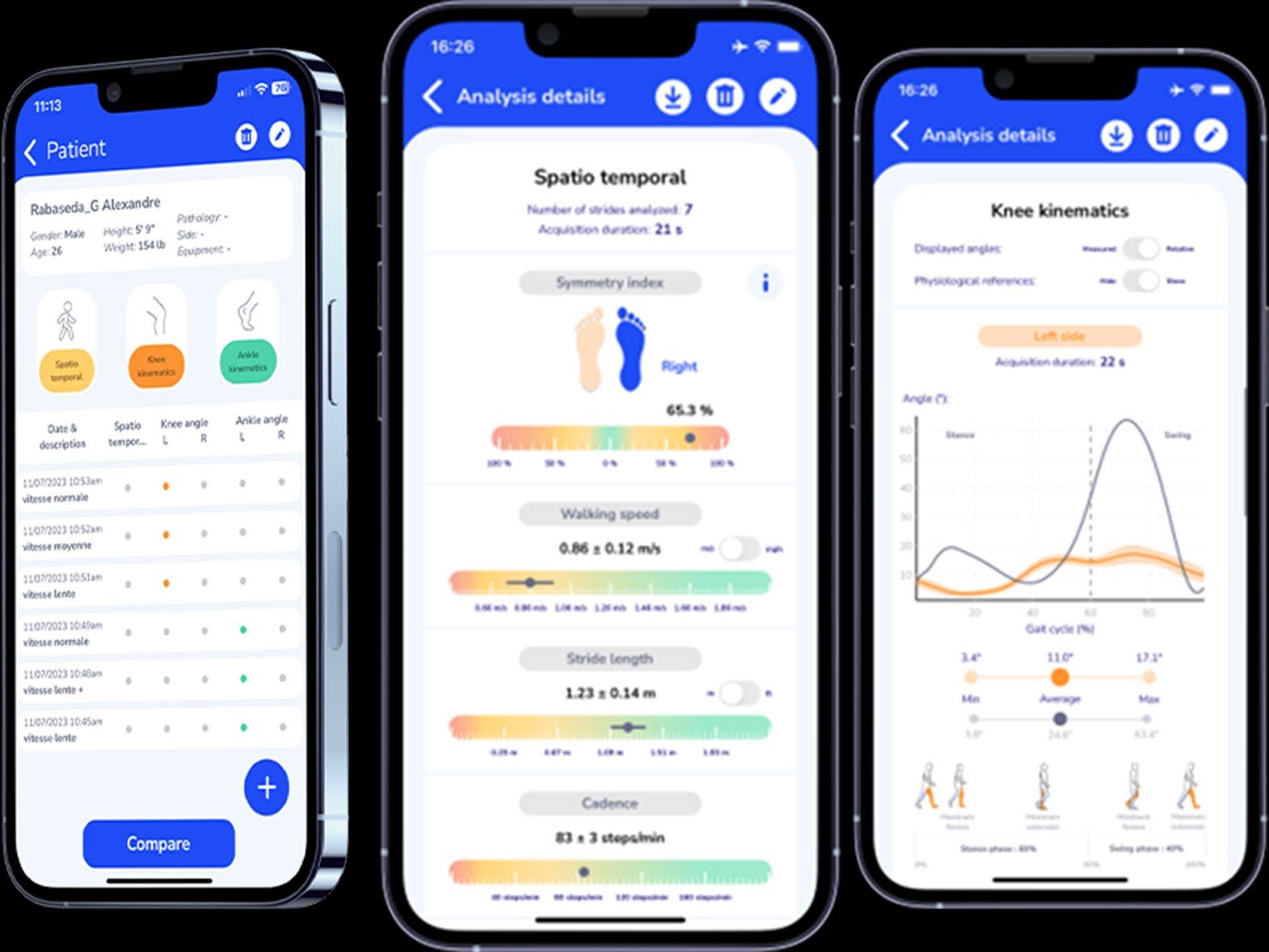
SENSE has created a centralized gait analysis platform by embedding the standardized gait tests in their software alongside the sensor-based tests that provide spatiotemporal and kinematic gait metrics. Clear instructions and space for observations are also provided in the app, transforming how PTs measure the 6th Vital Sign.
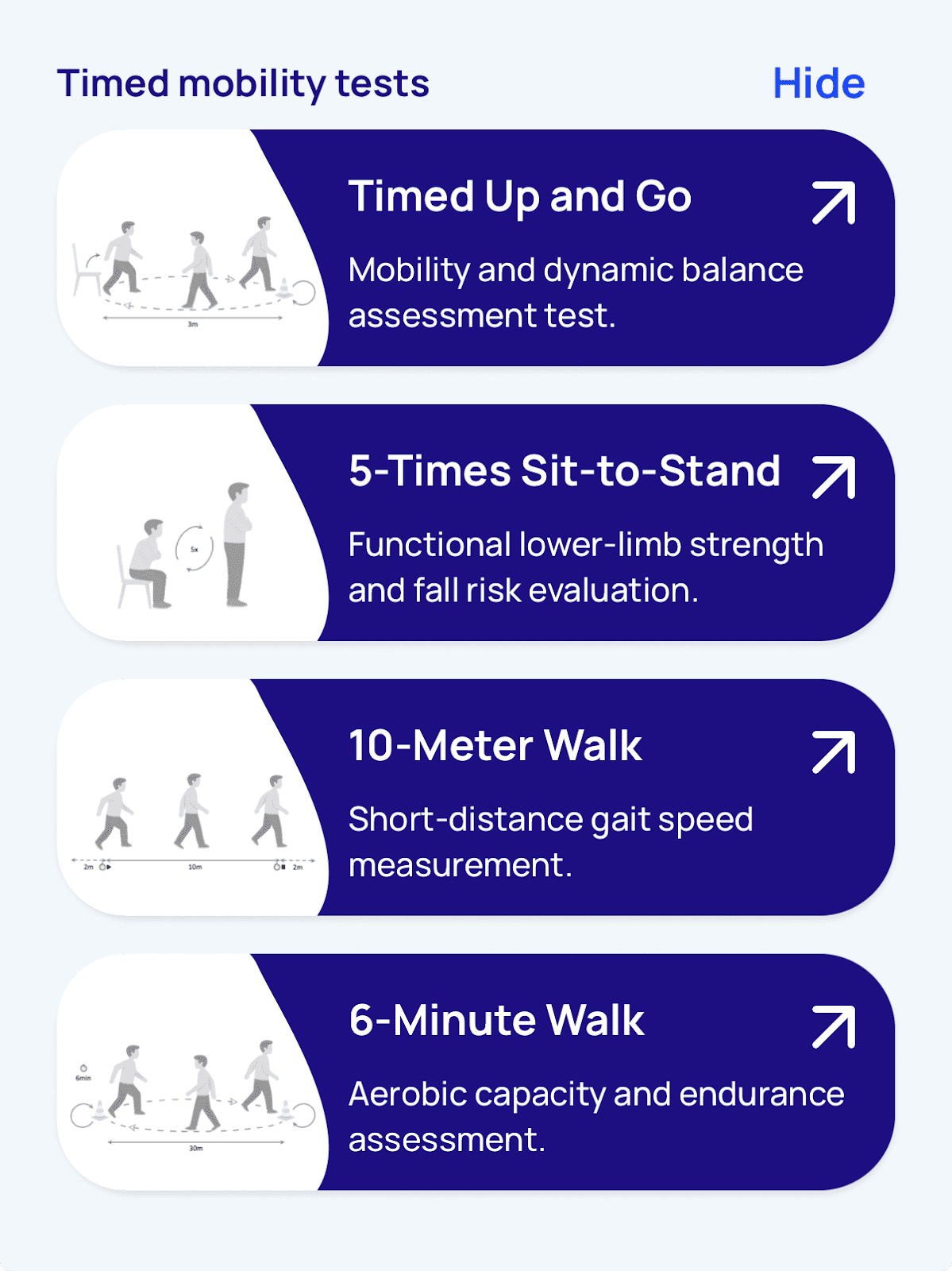
| REEV SENSE TIP: The REEV app makes it easy to conduct and document the 10-Meter Walk Test and the 6-Minute Walk Test. Download the REEV App for free on the App Store or Play Store. |
Accurate Measurement of Walking Speed
The most important aspect of measuring walking speed is ensuring consistent testing measures. Without consistency, changes in walking speed may reflect differences in how tests are administered instead of true improvements or declines in function. A high level of accuracy is especially important where objective, reliable data is needed for insurance reviews or legal cases.
In physical therapy practice, variability can occur when clinicians are rushed, managing multiple patients, or not fully prepared with equipment or a standardized setup.
Here are some tips for more accurate and consistent measurement of gait speed:
- Be consistent in your testing instructions
Even subtle differences in instructions or encouragement can alter walking speed. For instance, instructing a patient, “walk as fast as safely possible without running,” will give different results than saying “walk at a comfortable pace.”
| REEV SENSE TIP: Using the notes section in SENSE to document the exact instructions ensures a repeatable protocol for the patient across sessions and between clinicians. |
2. Allow sufficient acceleration and deceleration distances
Walking speed should be measured during steady-state walking, not while the patient is starting or stopping. To capture steady-state speed during the 10-meter walk test, mark off the 2-meter acceleration and deceleration zones.
| REEV SENSE TIP: The REEV App includes testing protocol instructions, including acceleration and deceleration zones, to help PTs capture accurate, consistent measurements. Use the notes section to record any deviations from the standard protocol. |
3. Create a setup that makes it easy to keep distances accurate
To save time and improve accuracy, use tape on the floor to designate start, end, acceleration, and deceleration zones, or carry a string with the distances pre-marked for a portable testing option.
Interpreting and Applying Results
Once walking speed is measured, your next step is to accurately interpret the data in a way that is clinically useful to you, your patient, and outside reviewers.
Here are some of the numbers to know:
- Normal Walking Speed: General guidelines suggest a normal self-selected walking speed of 1.2 to 1.4 meters per second. Keep in mind, walking speed norms vary by age, gender, and body size.
- Cut-offs for functional risk: Walking speeds below 0.8 meters per second often indicate increased fall risk or functional dependence.
- Clinical change: For older adults with mobility impairments, an increase in walking speed of 0.1 meters per second is considered a meaningful improvement and is associated with better functional independence. A decrease of the same amount (0.1 meters/second) can be a warning sign of declining function, higher fall risk, or longer hospital stays.
These are just guidelines. Always use your clinical judgment and experience to adjust these expectations based on age, diagnosis, and mobility level.
Streamline Measurement of the 6th Vital Sign
Gait speed is a simple, powerful, and predictive measure that physical therapists can integrate into routine clinical practice. It provides critical insight into functional independence, safety, and overall health.
Consistent measurement of walking speed can be challenging in a busy clinic. SENSE 2.0 has become a centralized gait analysis platform that simplifies gait testing for physical therapists. PTs can measure spatiotemporal and kinematic gait data using the sensors and app, and use the app to conduct standardized gait tests as well. Timed, standardized mobility tests, instructions, a timer, and space for skilled observations are embedded in the app so PTs can capture data for all of these tests in one spot, then easily copy and paste the results and observations into their EMR.
REEV SENSE allows you to gather accurate insights and data on gait metrics, including gait speed, the 6th Vital Sign, for better reporting, client outcomes, and clinician satisfaction.
Improving Walking Speed After CVA Using the Robotic Knee Brace, DREEVEN
Gait speed is often drastically reduced after a CVA that results in hemiplegia. Gait disorders are a leading patient complaint at the sub-acute stroke stage and a major determinant of autonomy and disability.
In a meta-analysis by Tasseel-Ponche et al., the short-distance walking speed of stroke patients in a subacute setting was 0.36m/s, which is generally considered household ambulation only. Many of these patients do not reach community-ambulator speeds, even with rehabilitation. This level of functional mobility leaves patients more dependent and unable to access the community without assistance.
People simply want to walk again and walk well, and it’s our mission at REEV to help them achieve this goal so patients can become more autonomous and independent in their movements.
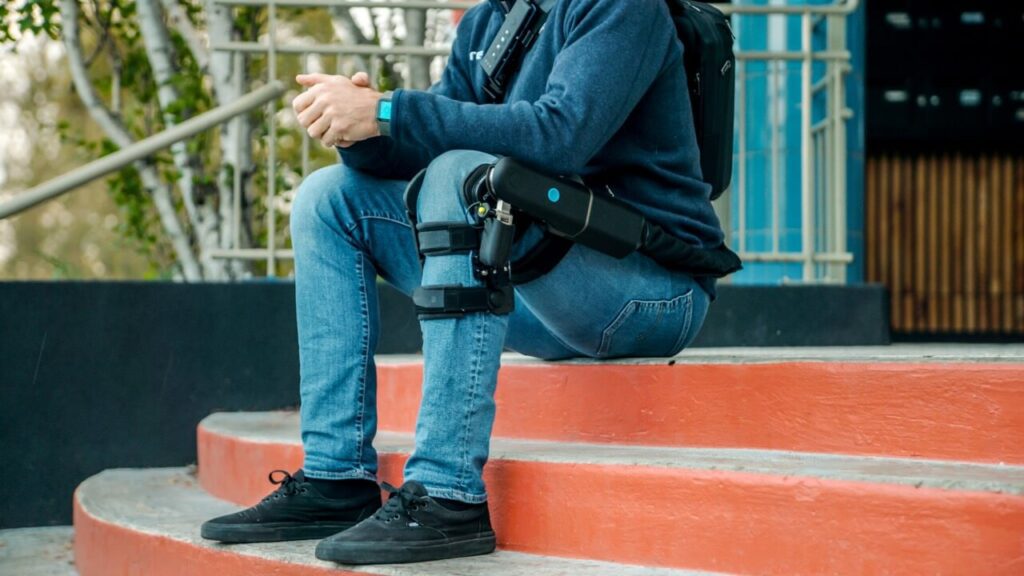
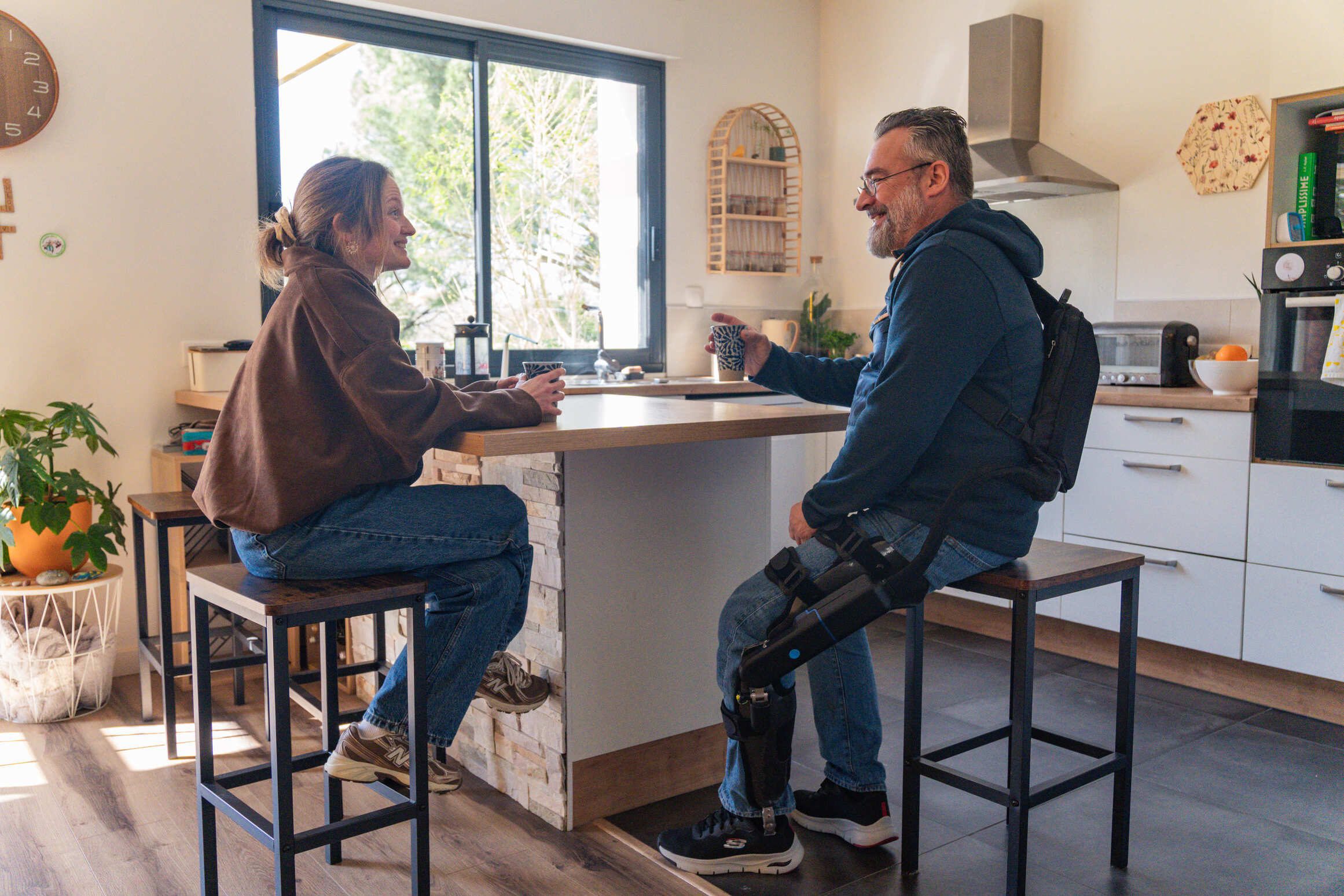
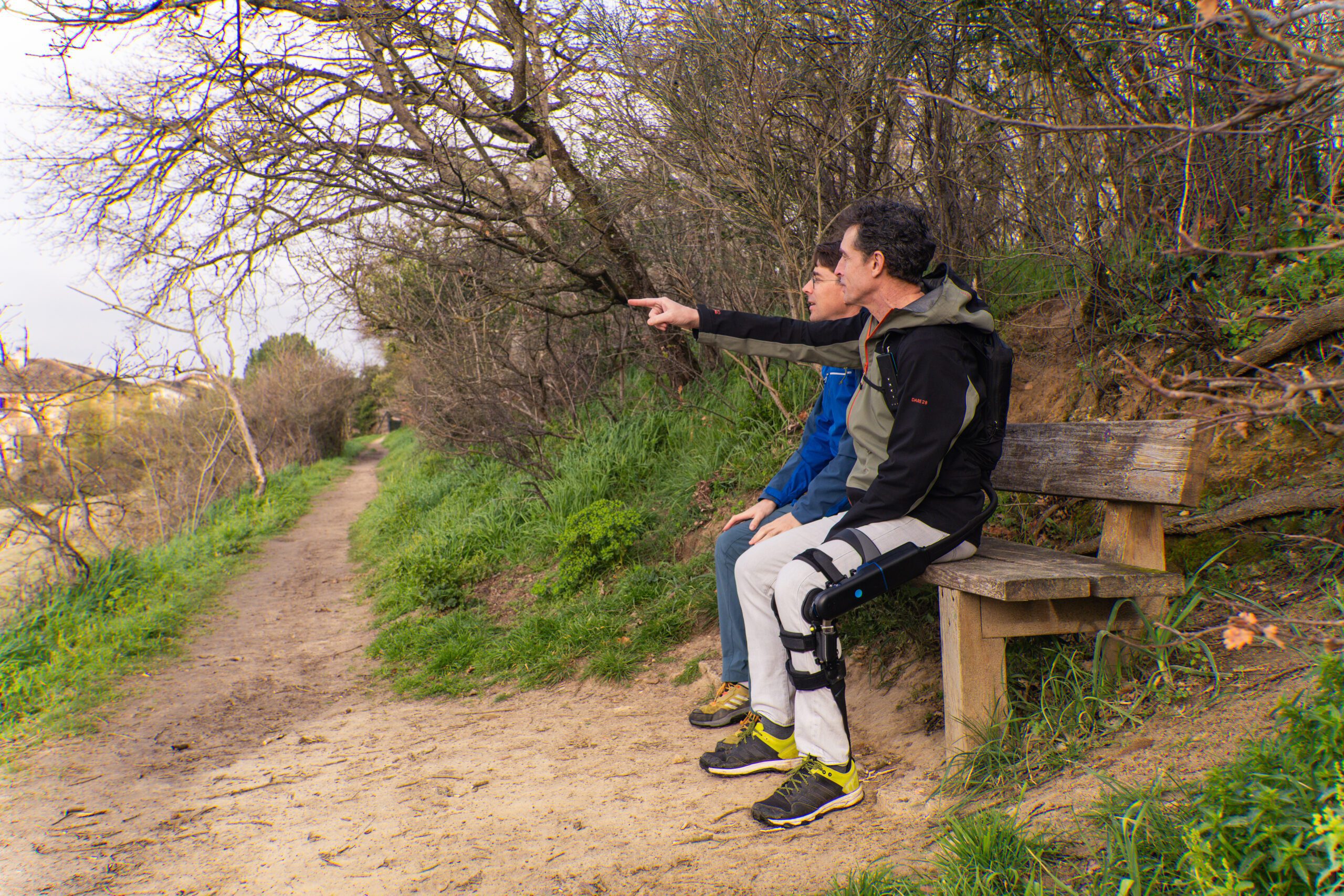
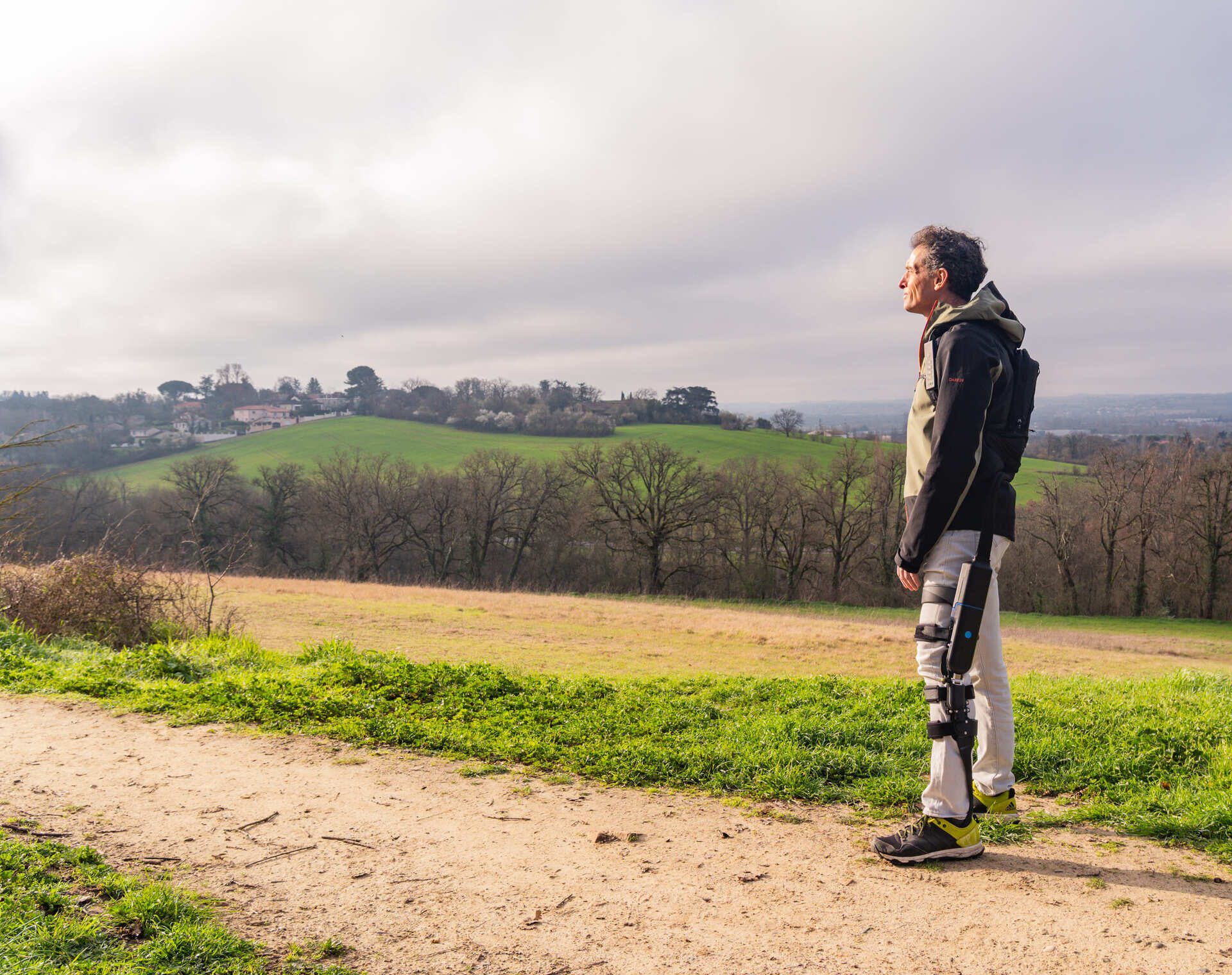
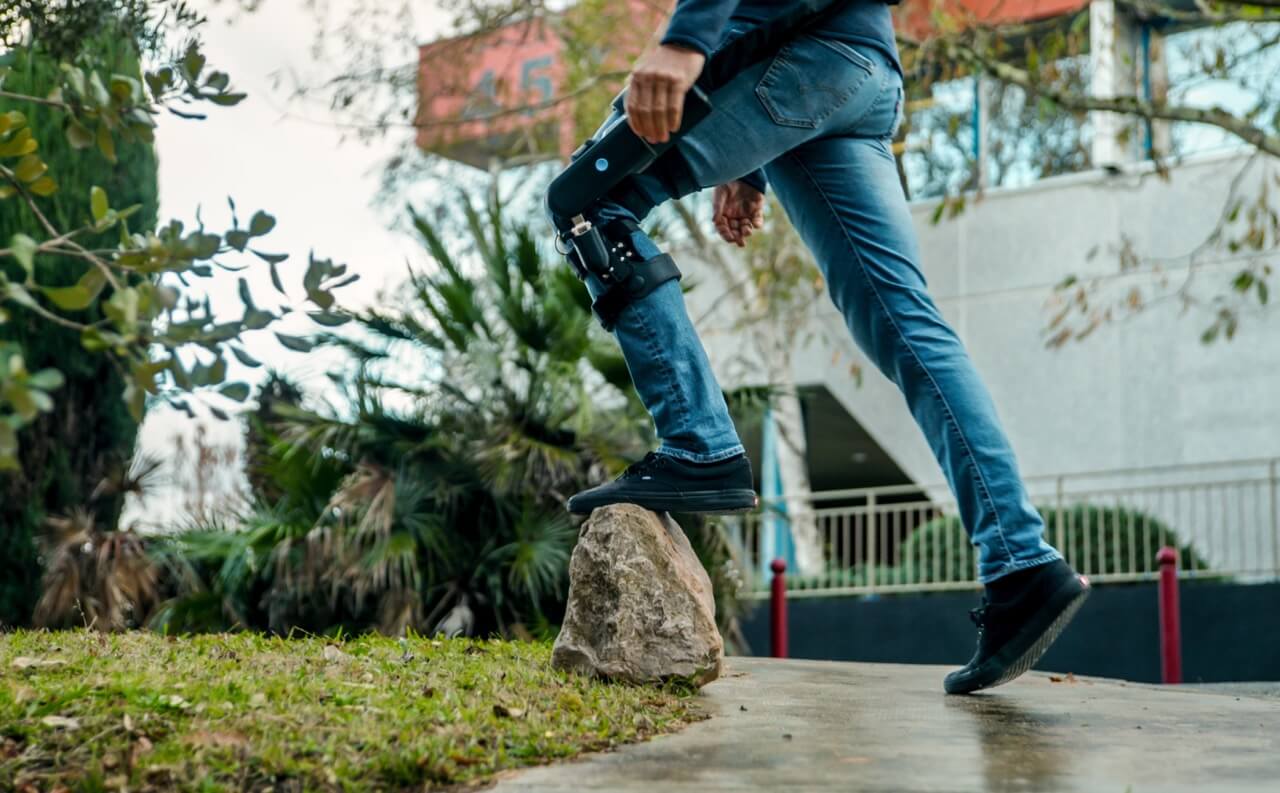
This is why REEV created the robotic knee brace, DREEVEN. This lightweight, intelligent, motorized orthosis can support patients with hemiplegia in recovering a healthy gait. DREEVEN uses the REEV SENSE sensors to tailor DREEVEN assistance to each patient’s gait signature. This provides patients with custom gait support for smooth and safe mobility, which may lead to increased walking speeds over time.
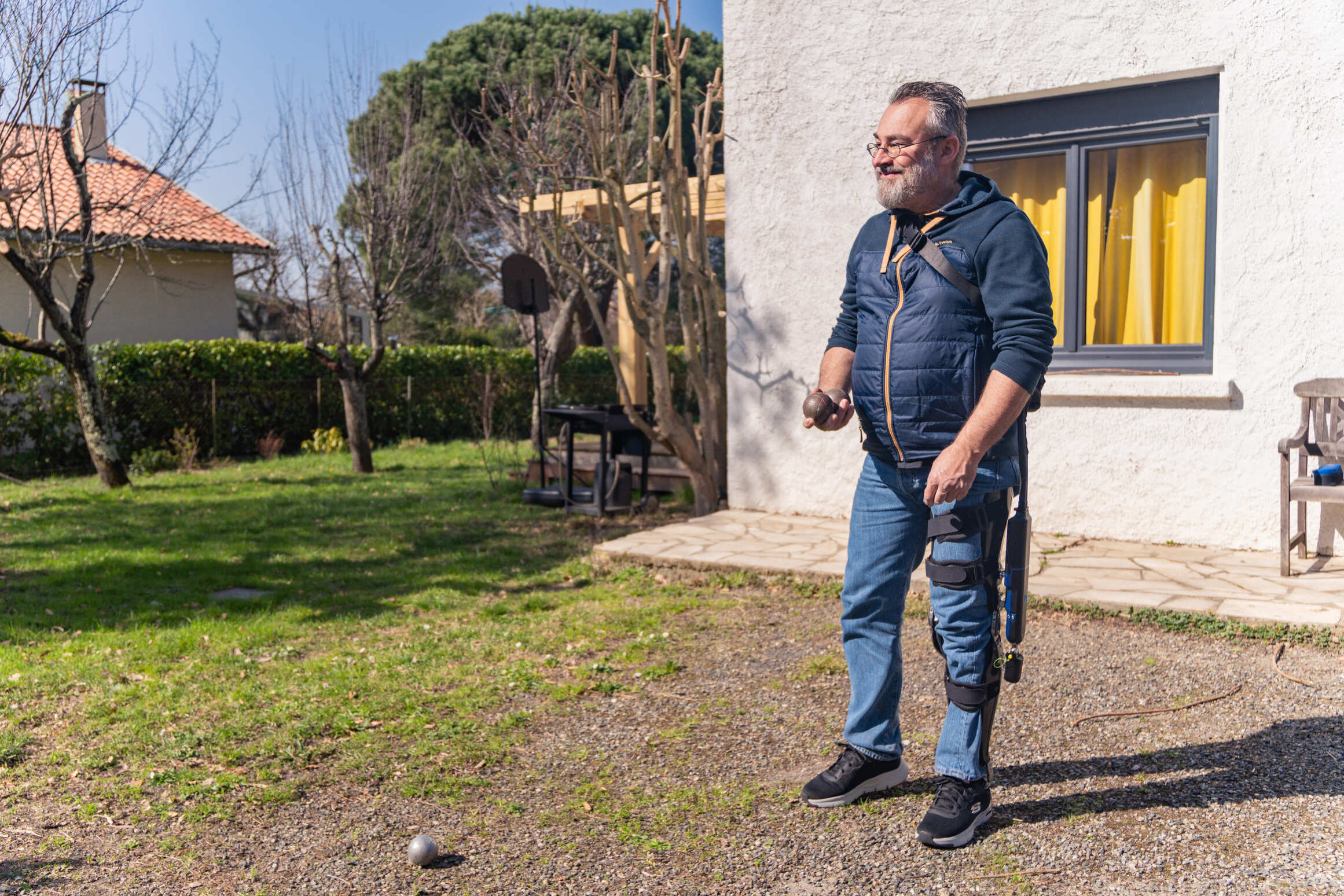
Improving gait speed and safety can increase a patient’s engagement in the community, survival, and health-related quality of life.
To learn more about how DREEVEN is customized to support each patient, click below.